
Branches
Greek Biotope/Wetland Centre (EKBY)
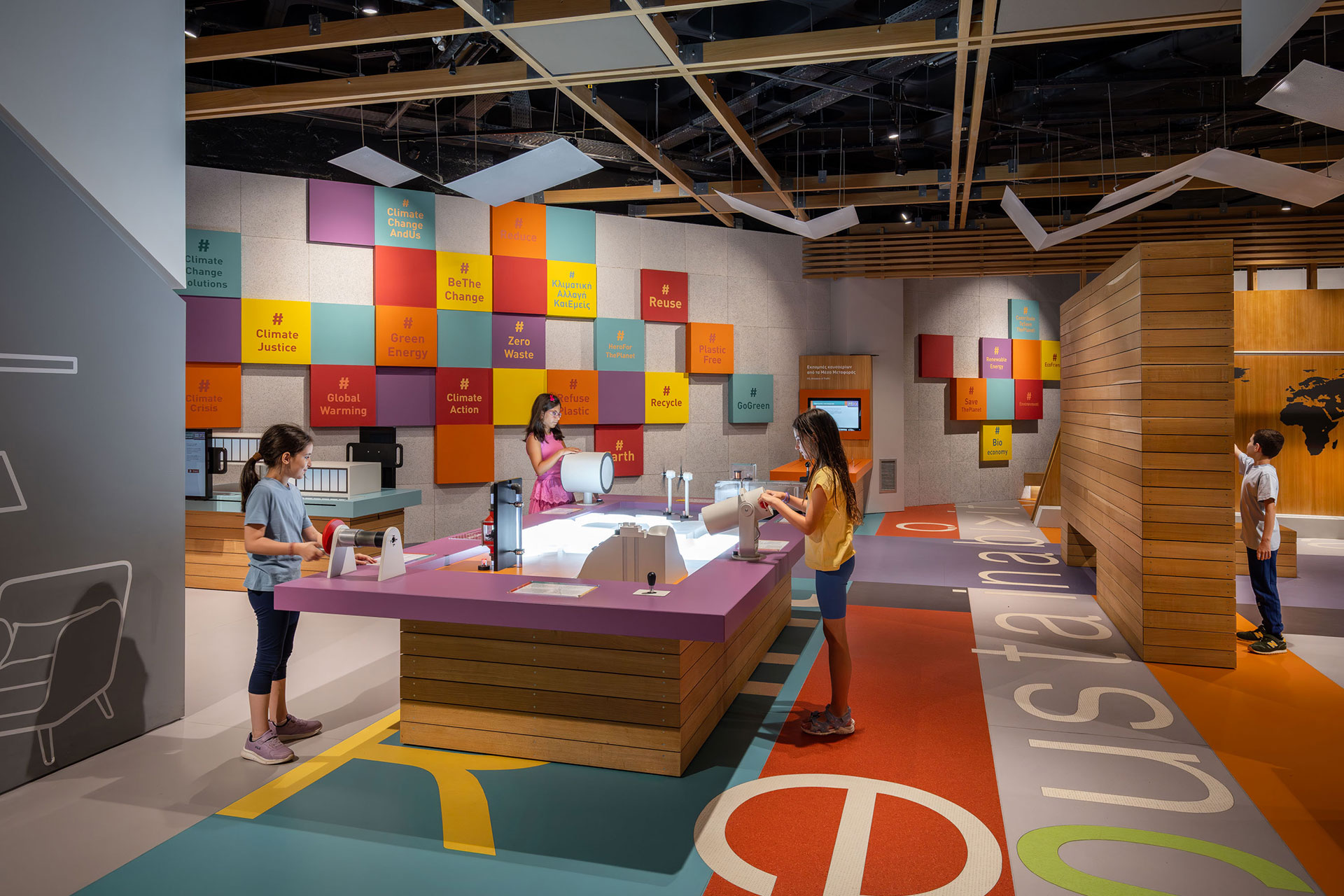
The Greek Biotope/Wetland Centre (EKBY) is a branch of the Goulandris National History Museum in Thessaloniki. It was founded in 1991 with the support of the European Union and the Ministry of Environment and is housed on the Farm of Aristotle University of Thessaloniki in Thermi.
EKBY works for the sustainable management of natural resources in Greece, the Mediterranean region, and Europe.
Its main areas of activity include:
Research and monitoring – production, management, and provision of environmental information/data using modern technology
Conservation – protection
Education and training
Environmental awareness
Projects and actions for the conservation, sustainable management, and restoration of ecosystems, sustainable tourism, and nature interpretation
Consulting services
Fields of expertise: biodiversity, ecology, wetlands, water quality and hydrology, forests, climate change mitigation, and ecosystem adaptation.
The scientific staff covers many specialties and also collaborates with services, organizations, and agencies throughout Greece and Europe, supporting actions that promote nature and the environment.
For more information, please visit EKBY’s website: www.ekby.gr
Paleontological Museum of Rethymno (Temple of Mastaba)
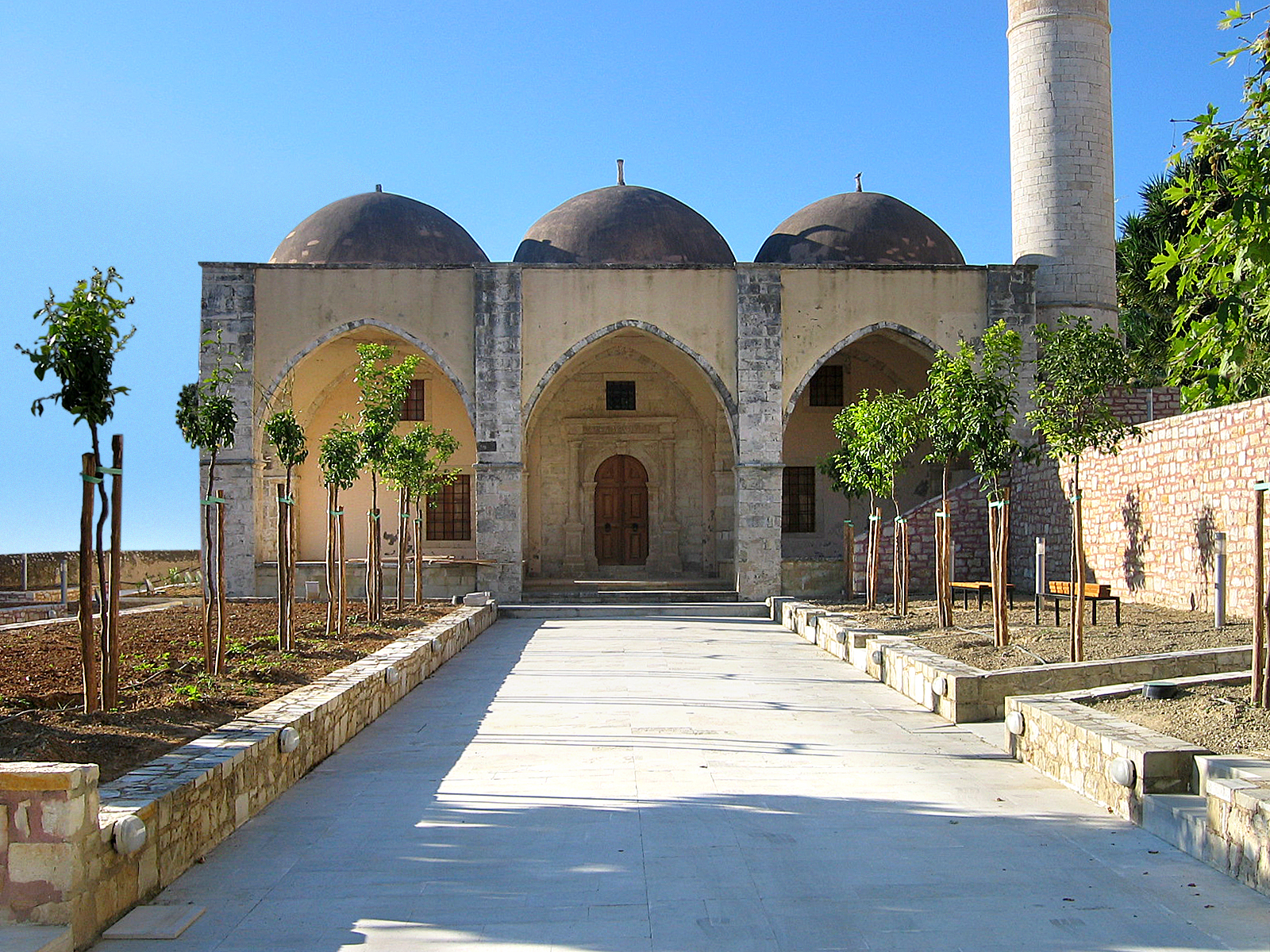
The Mastaba Mosque is a historic building with nine domes, adjoining cells, and an “Abbot’s Chamber,” which on its own is a significant monument of the city. The Ministry of Culture granted it to the National Museum of Natural History Goulandris and, after restoration and museological study, it now houses the Paleontological Museum of Rethymno.
The collection was granted by the Municipality of Rethymno to the Museum. Emeritus professors of the University of Athens, initially Nikolaos Symeonidis and later Georgios Theodorou with his scientific team, undertook the scientific study and presentation of the material. The exhibition material presents the evolutionary history of Crete and its geological changes over the last 300 million years.
Of particular note are the findings of endemic mammals such as the Cretan dwarf elephants, dwarf hippopotamuses, and various species of Cretan deer, including the club-horned deer of Rethymno (Candiacervus ropalophorus), which is also the emblem of the Museum.
The Museum garden, covering 2.5 acres, hosts trees and plants of Crete, such as plane trees, olive trees, carob trees, Cretan palms, lavender, dittany, and rosemary, creating a small oasis of natural beauty.
The Museum remains closed to the public until further notice.
Opening hours:
Monday – Saturday, 9:00–15:00
Tickets:
General admission: €5
Over 65 years: €4
Students: €3
Contact numbers:
(+30) 2831023083, (+30) 6974777306
Sparoza Garden
The History of the Sparoza Estate
She herself built a small stone house with large glass windows, fully integrated into the landscape, and settled there permanently. After her death, the estate was transferred in 1983 to the Goulandris Natural History Museum, as an expression of her appreciation for the work of Angelos and Niki Goulandris.
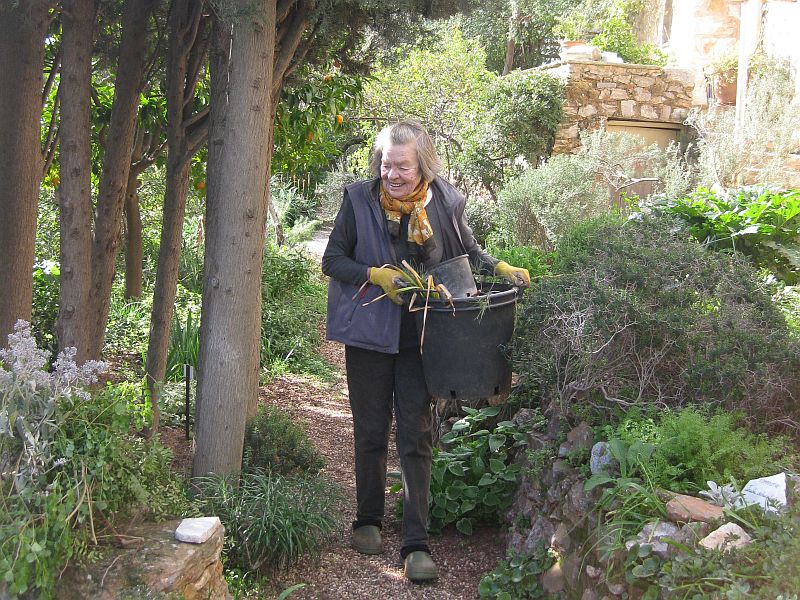
In 1991, Sally Razelou, a passionate gardener, moved to the Sparoza Estate, where—together with other enthusiastic gardeners—she founded the Mediterranean Garden Society (MGS). Today, the Society has an international reach, with members in Australia, California, and other countries, and is headquartered at the Sparoza Estate. Many botany students have carried out internships and research there, focusing on plants adapted to Mediterranean climates.
Natural Beauty and Sustainable Care
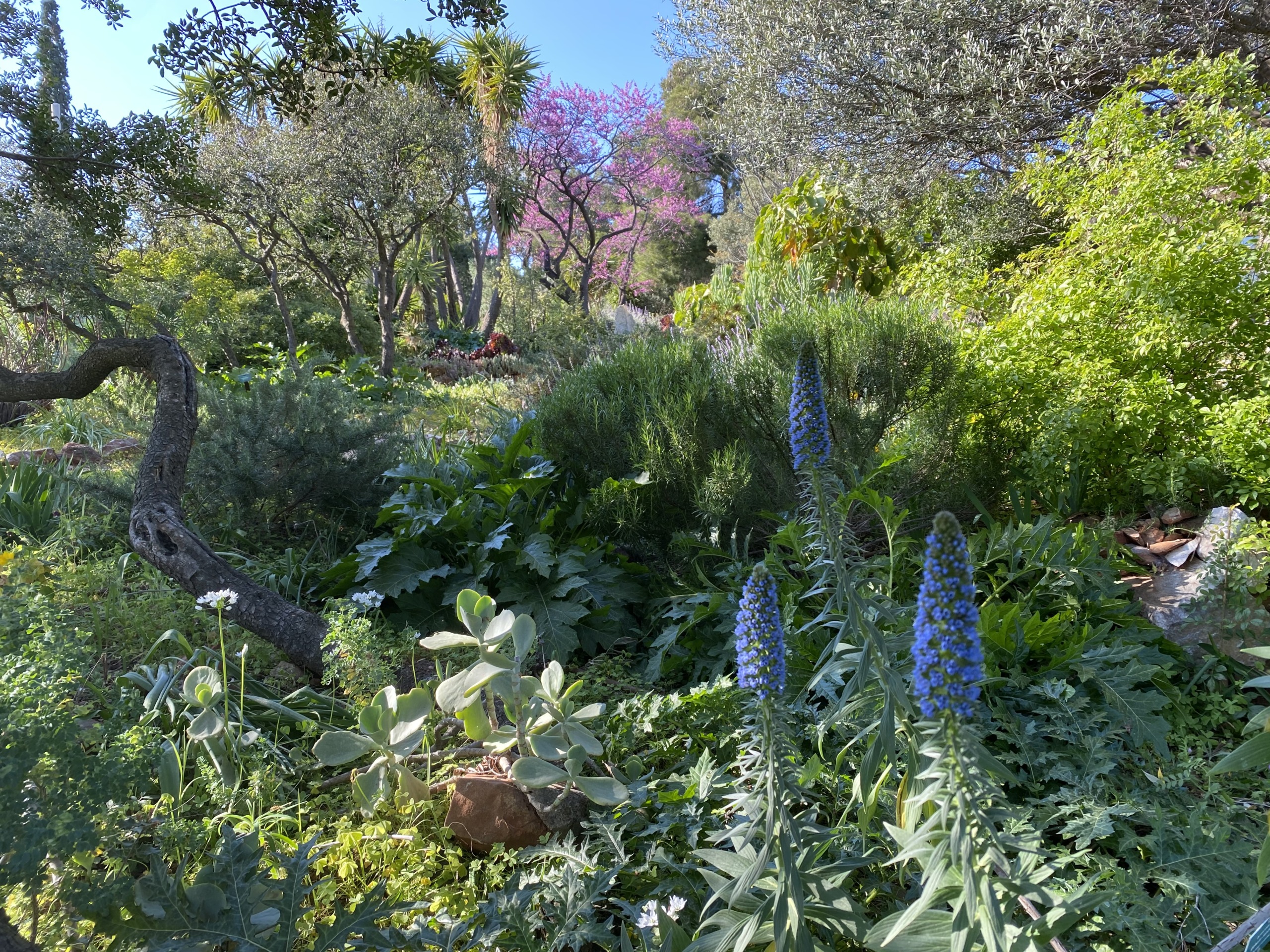
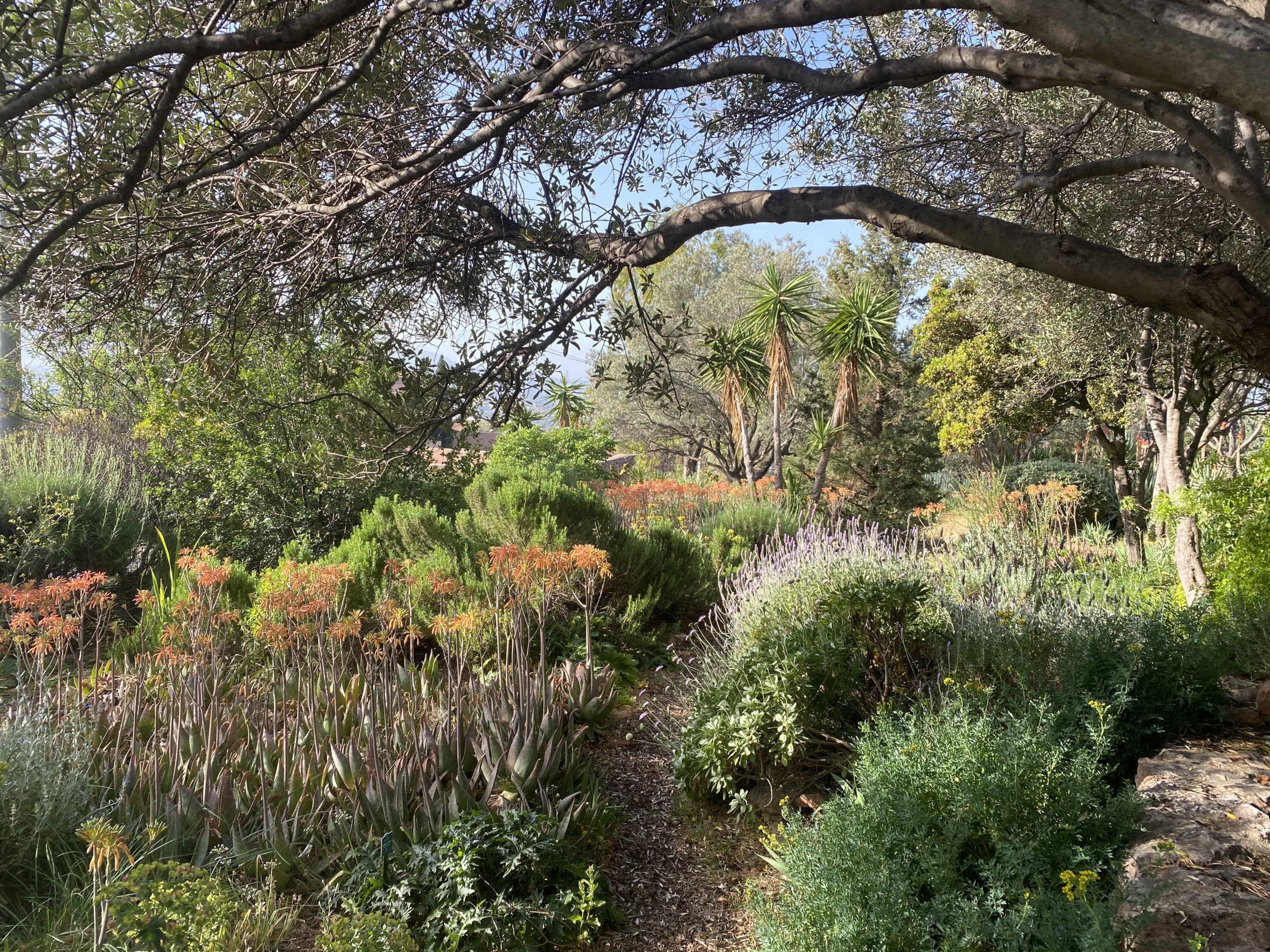
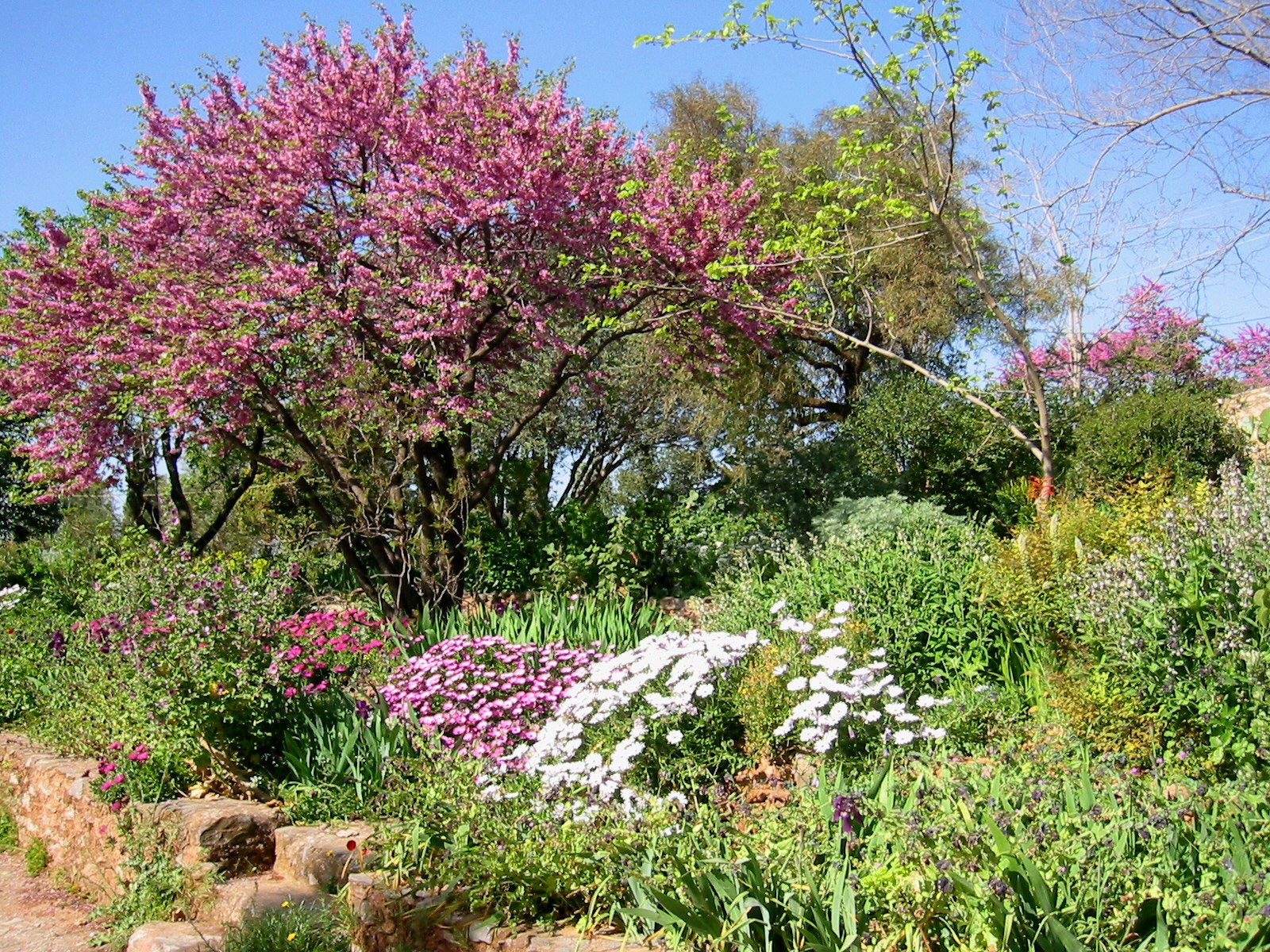
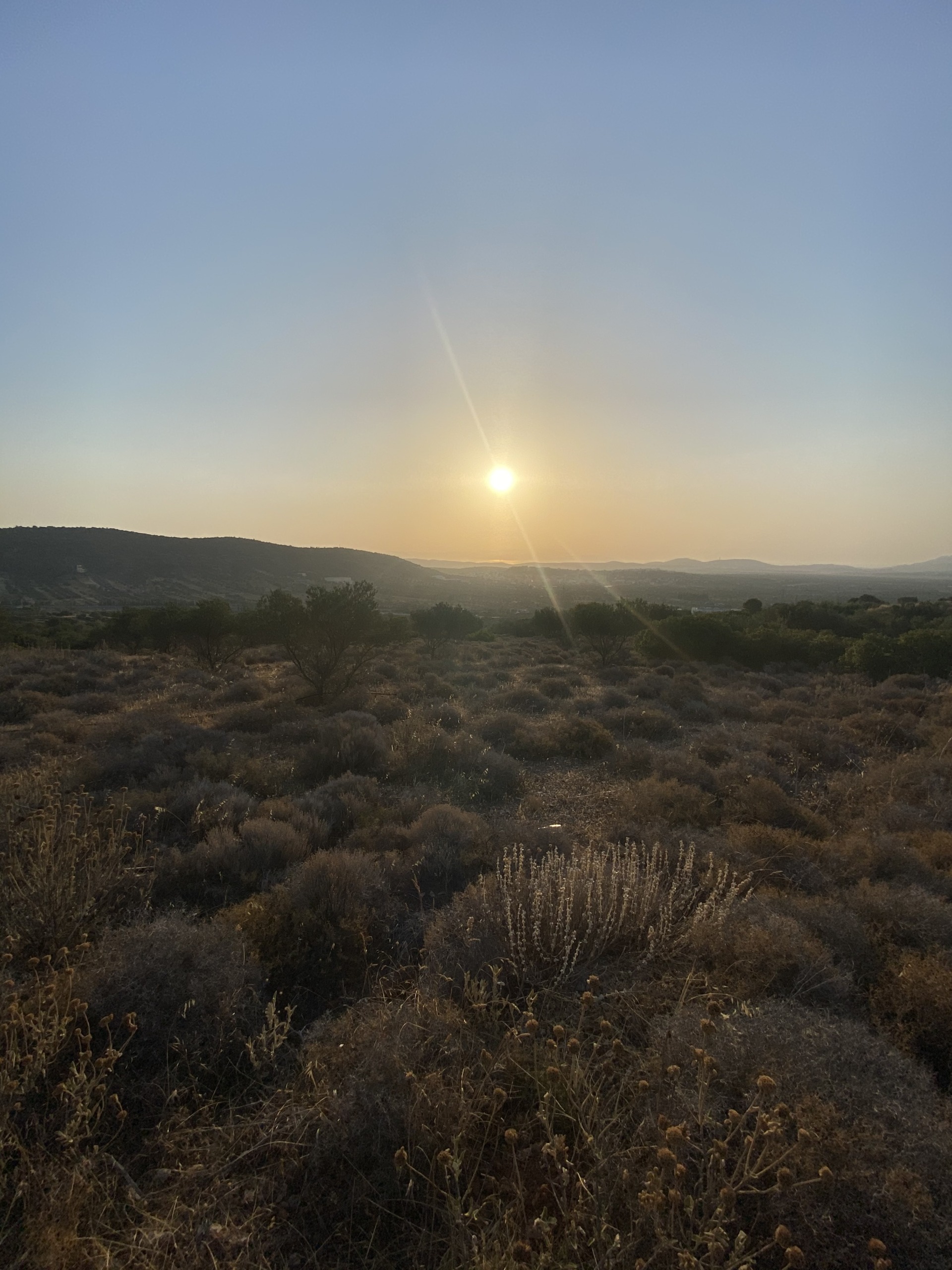
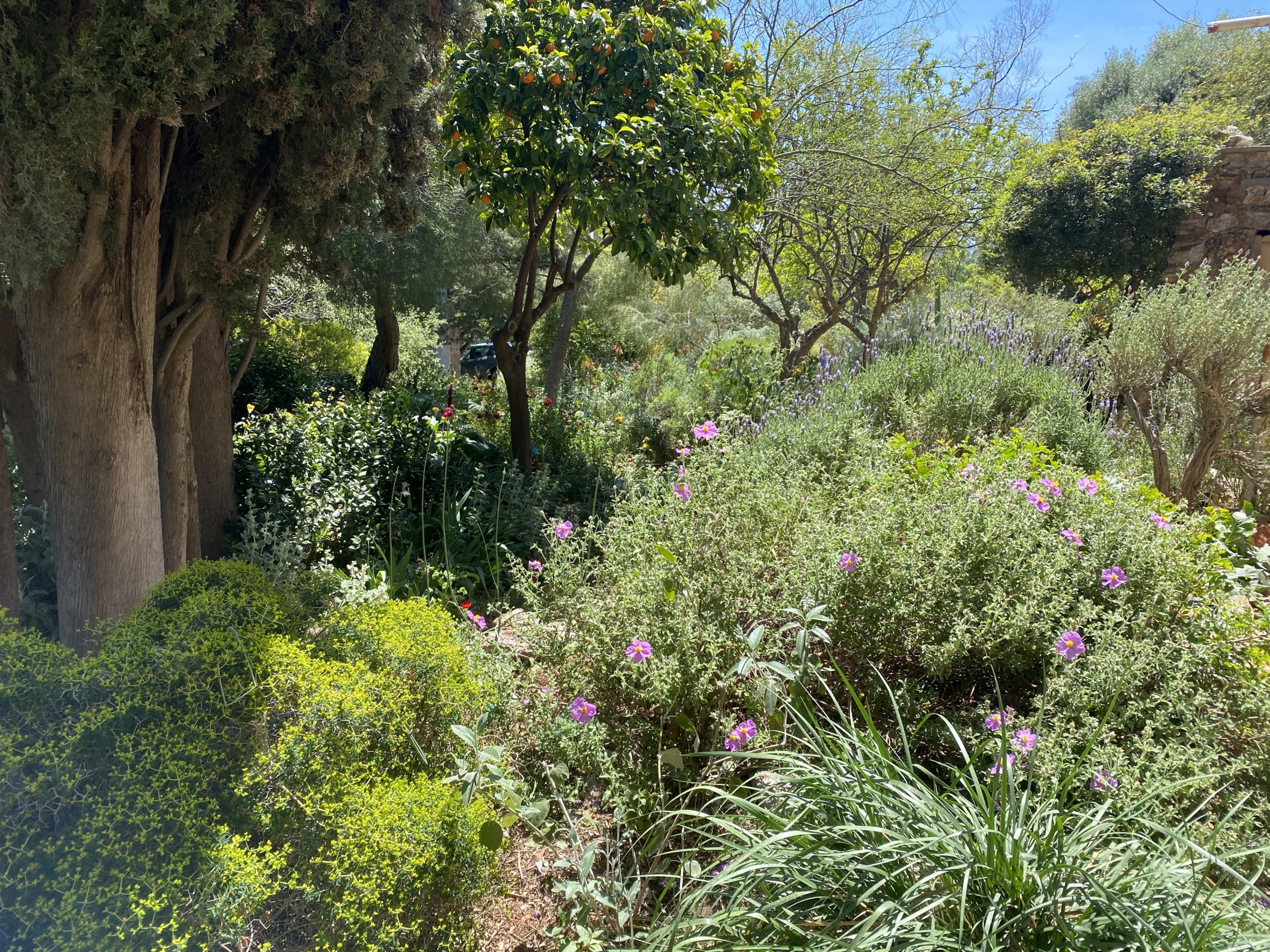
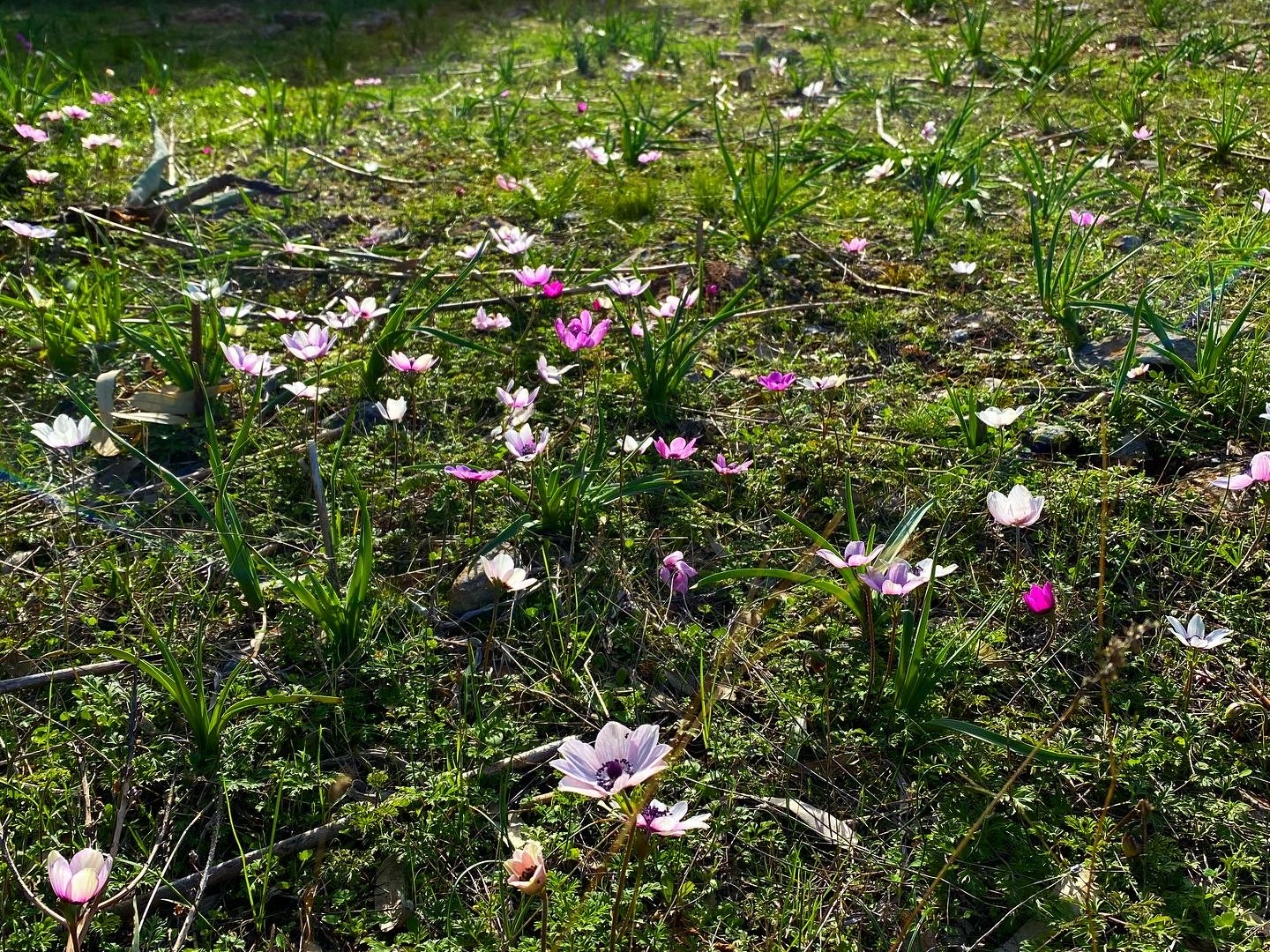
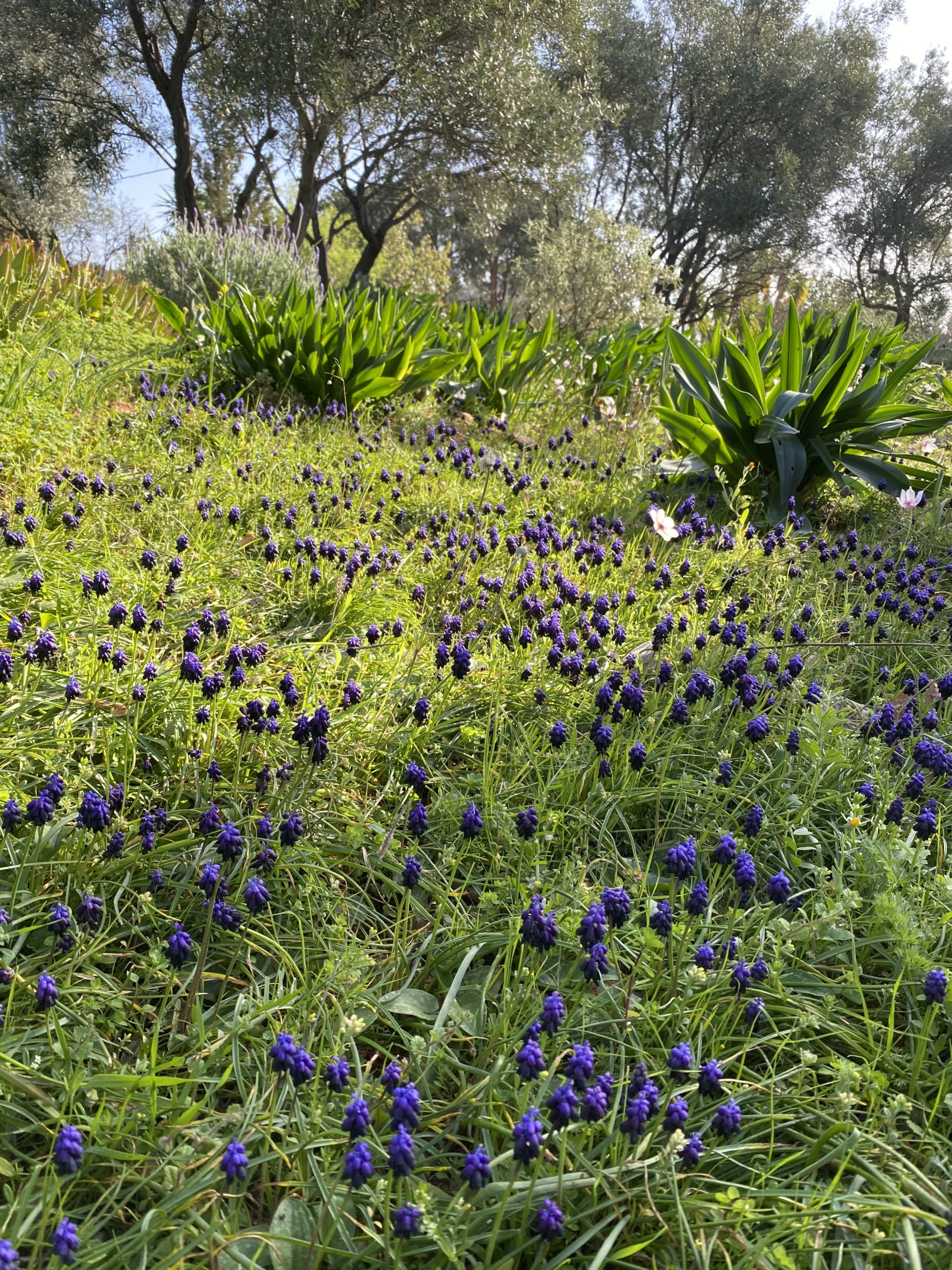
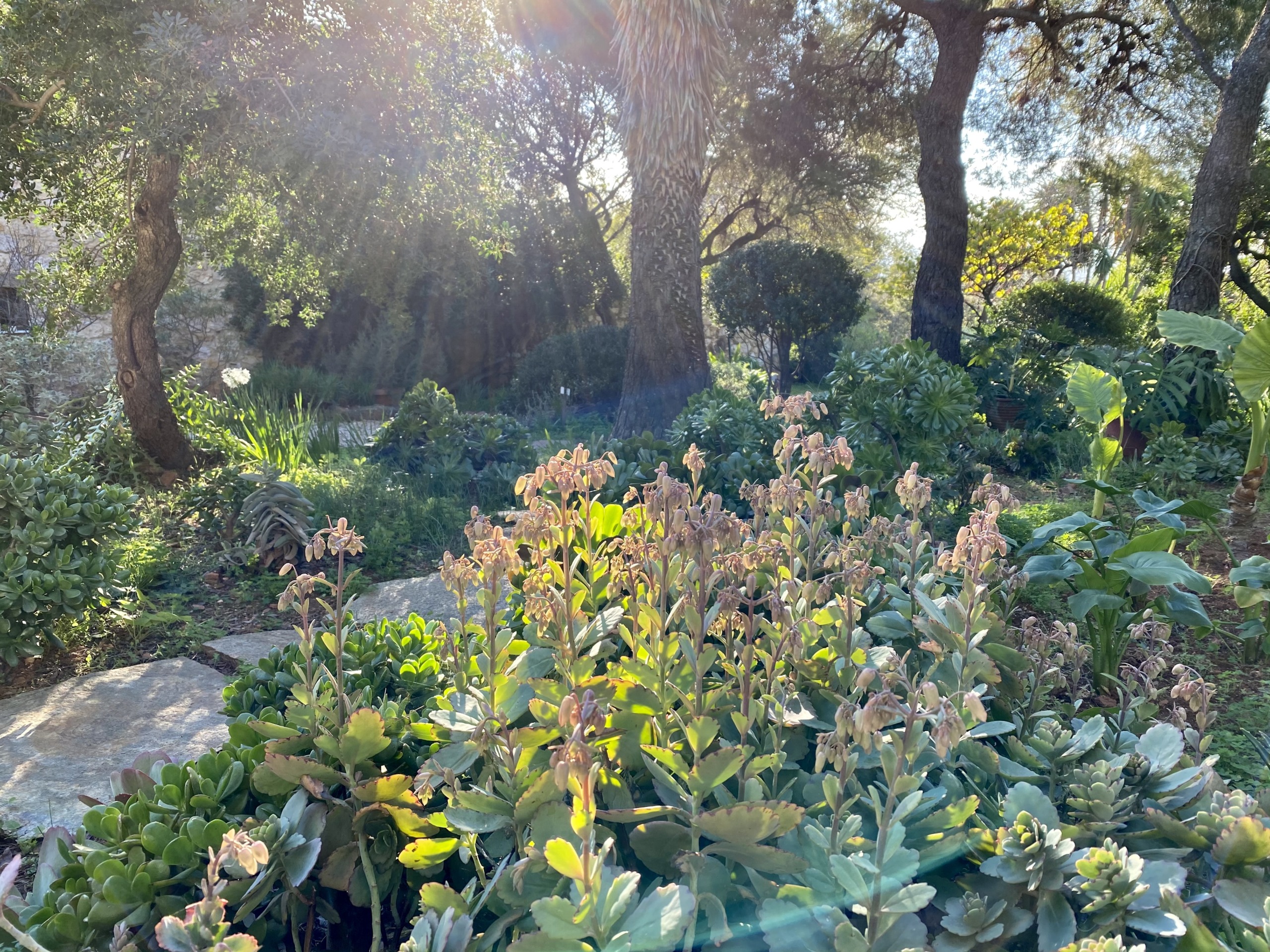
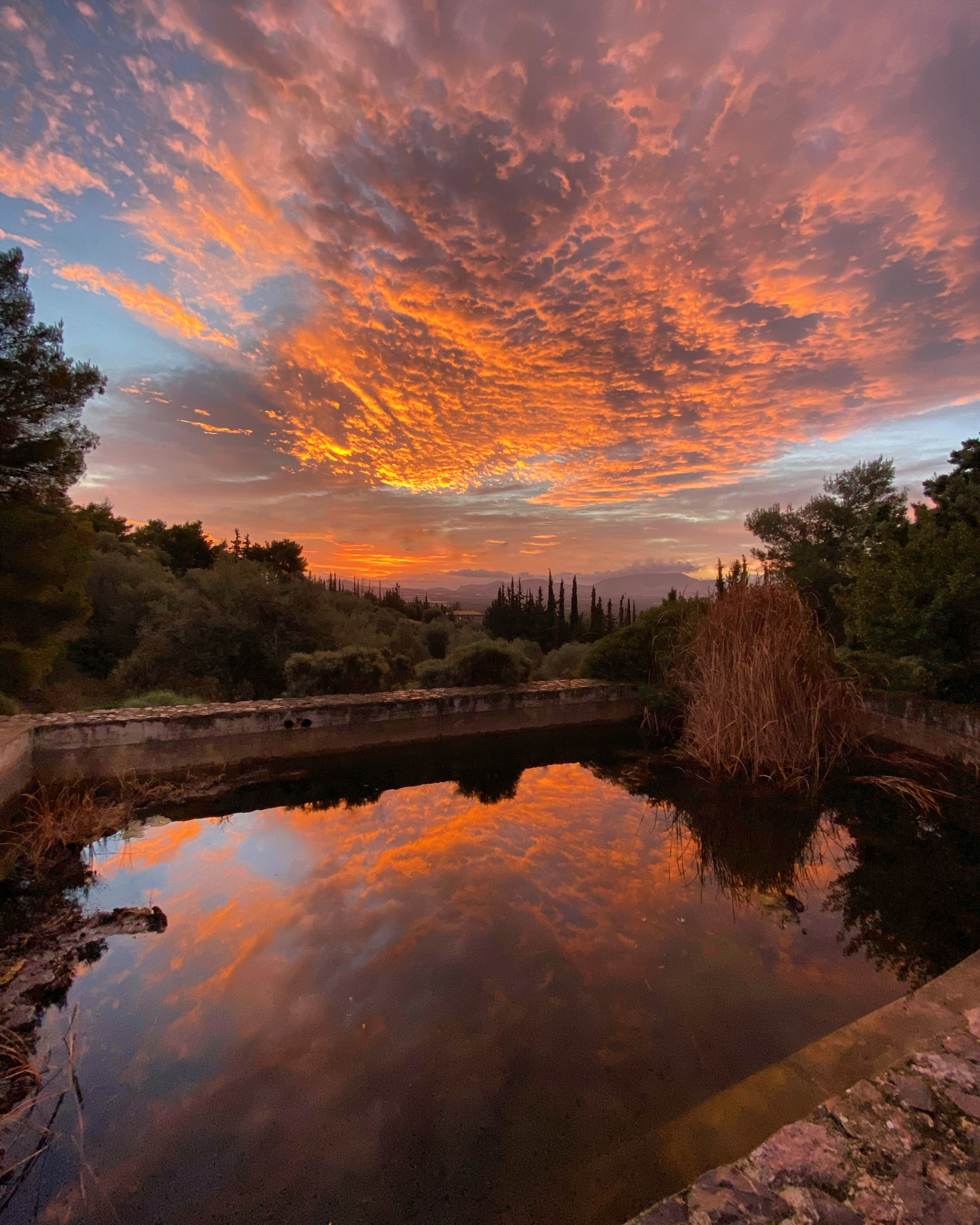
The garden is a model of ecological gardening, based on low water use, compatibility with the Mediterranean climate, and the use of natural compost. It covers 12 stremmas of dry, rocky terrain with a variety of microclimates. Plants that tolerate drought and extreme heat are propagated, while those that fail to adapt are relocated or removed.
The name Sparoza was given to the estate because the hill on which it is located was once full of sparrows—“sparrow”.
The Garden’s Distinct Zones Create a Complete Ecosystem
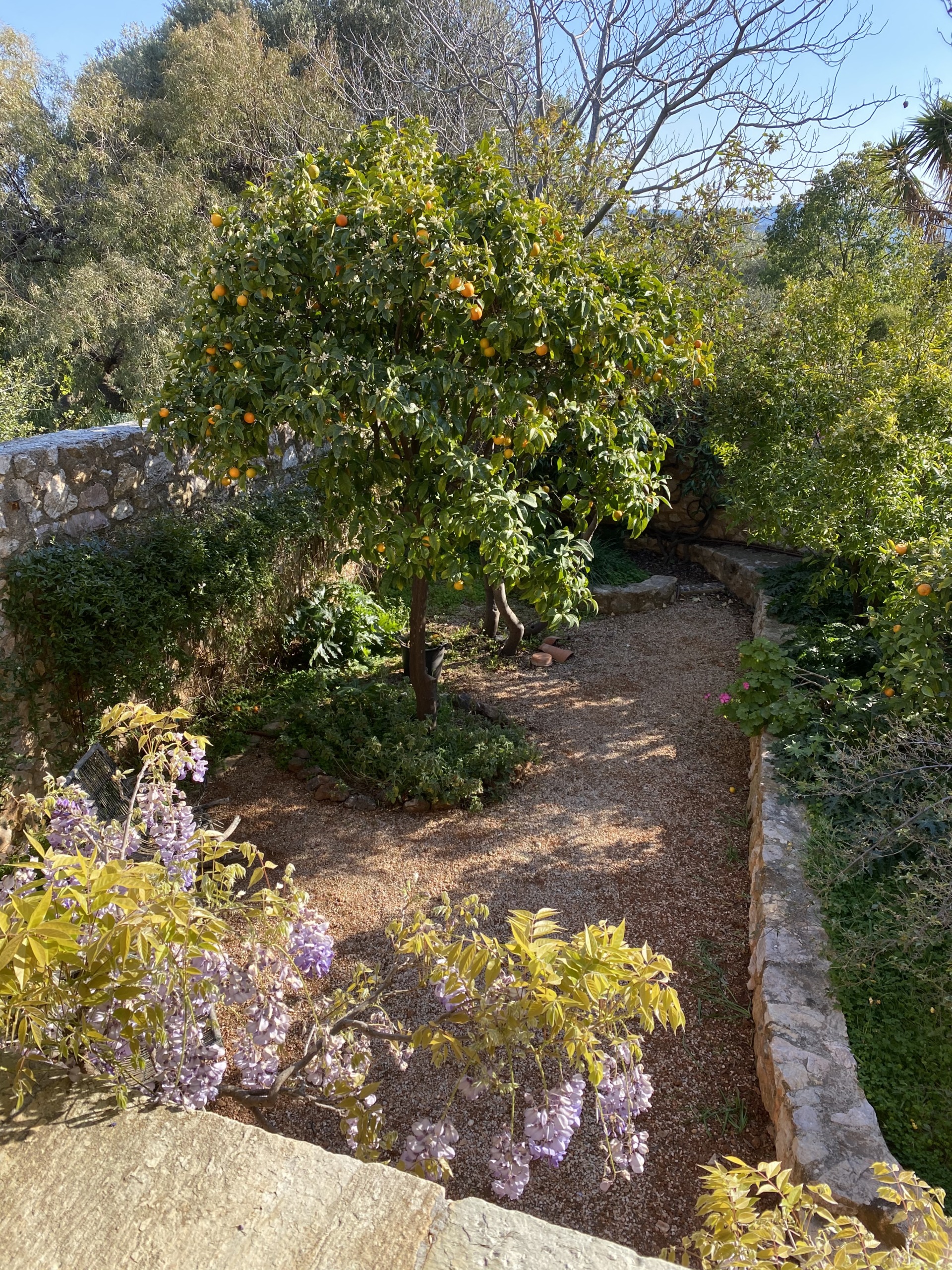
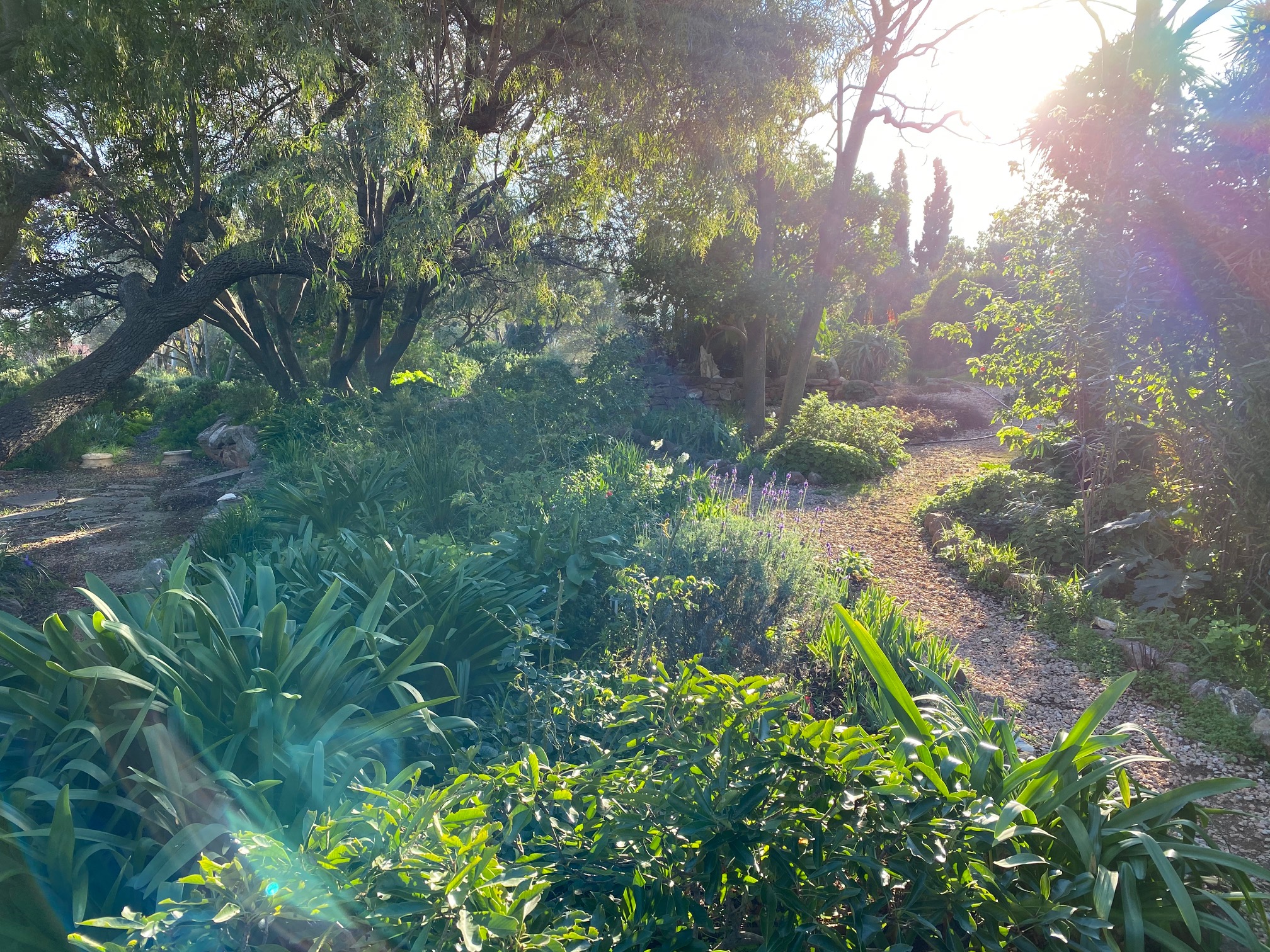
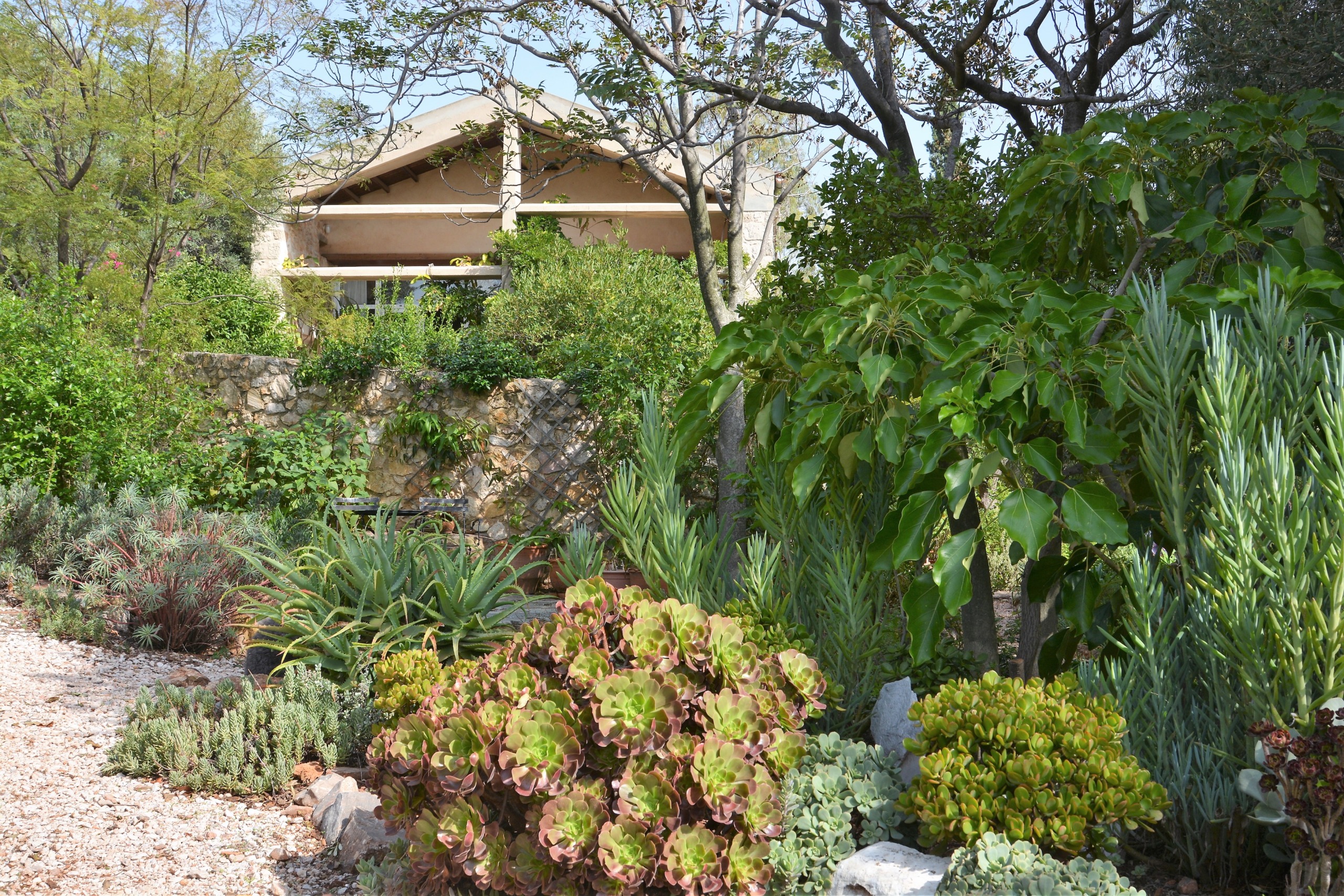
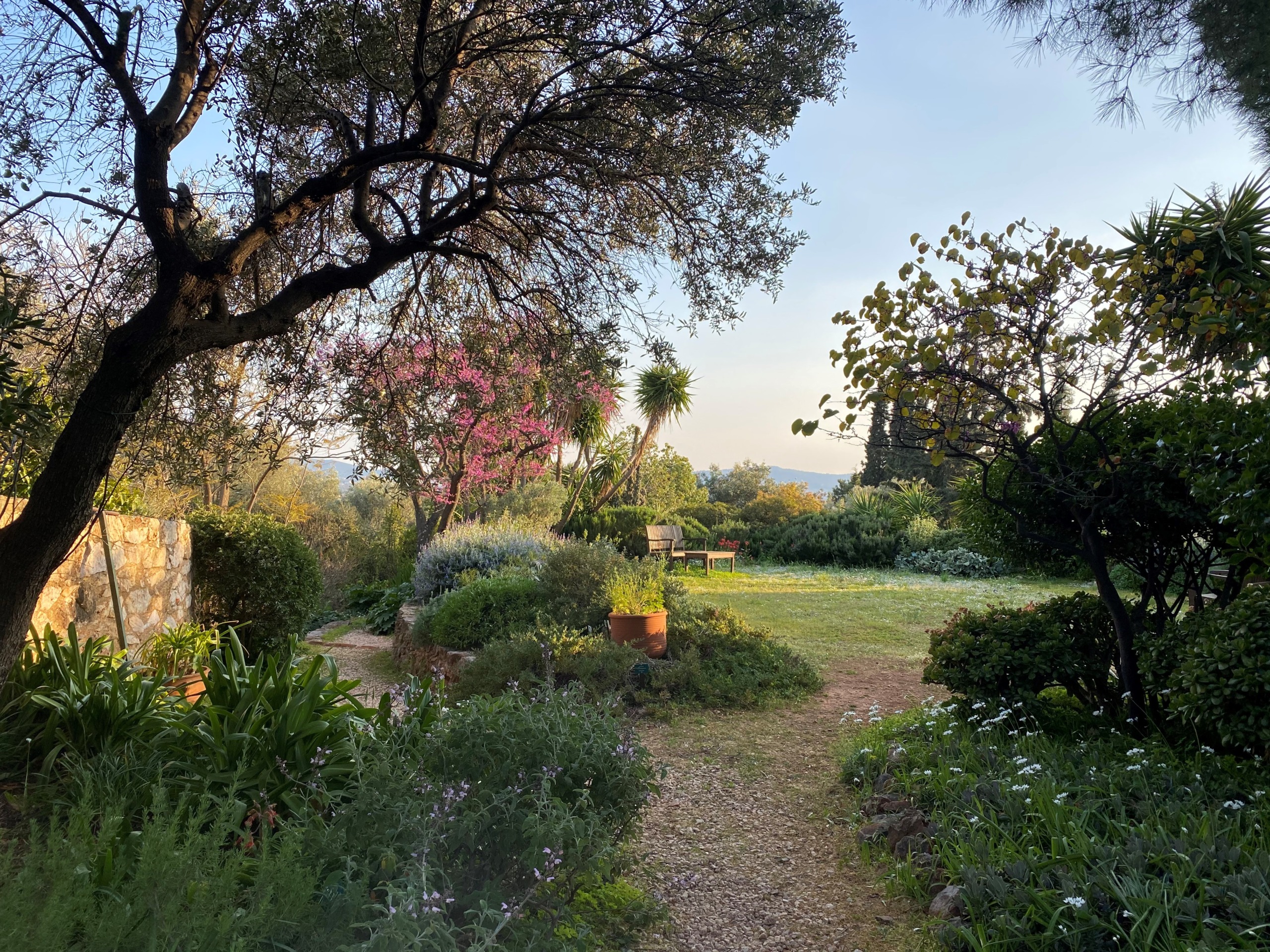
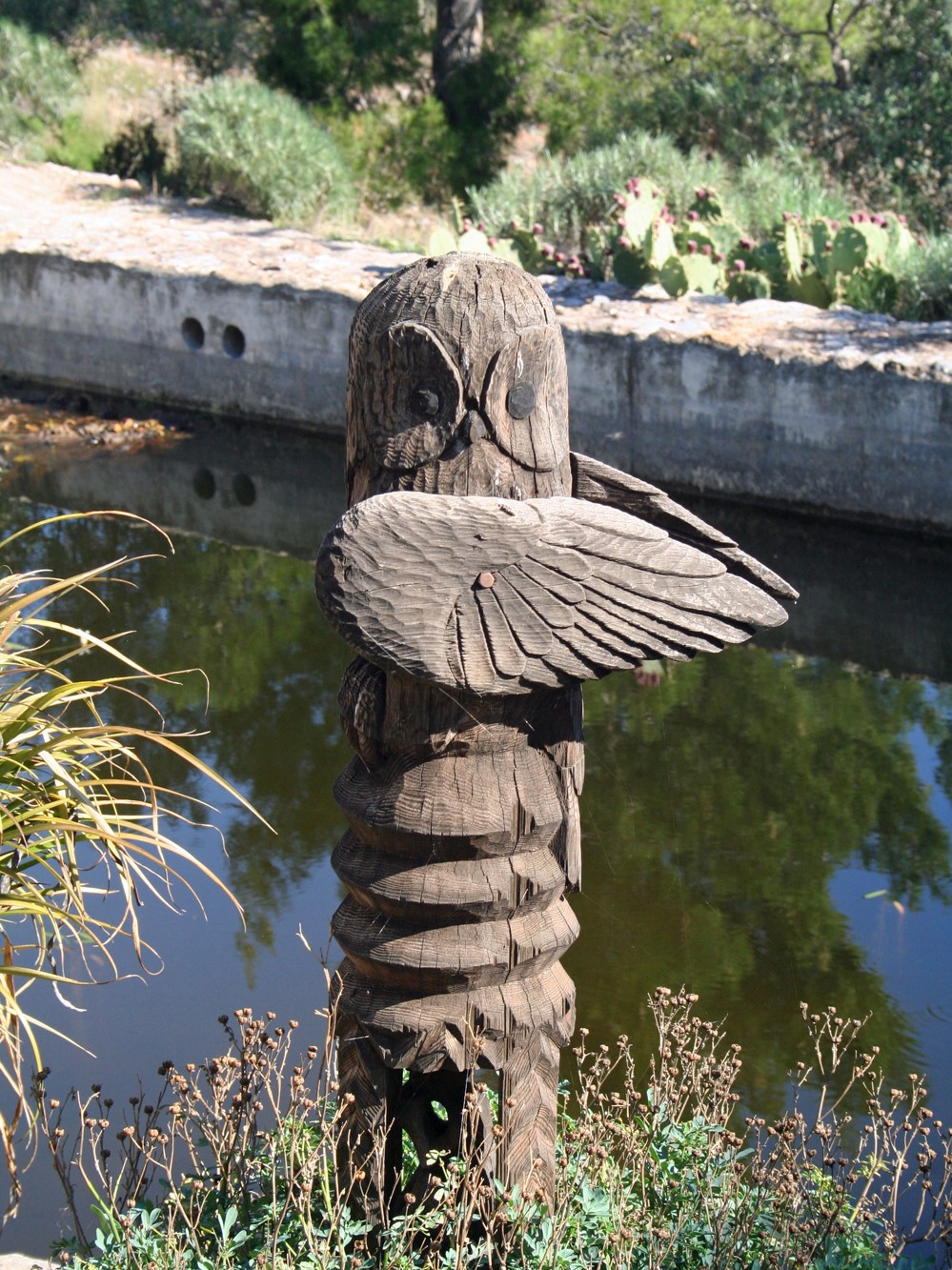
The garden’s layout includes areas with cacti, succulents, phrygana (Mediterranean scrub), terraced paths, and a sunken garden planted with citrus trees and climbing plants. The front of the house and the garden beds host roses, delicate plants, and climbers, which provide shade and add color to the space.
Today, the Sparoza Estate continues to evolve, welcoming students and researchers, and serving as a model example of how a Mediterranean garden can flourish when it respects the climate, water resources, and the natural rhythms of the landscape.
Gallery
360ᵒ Virtual Tour
The Museum experience, everywhere
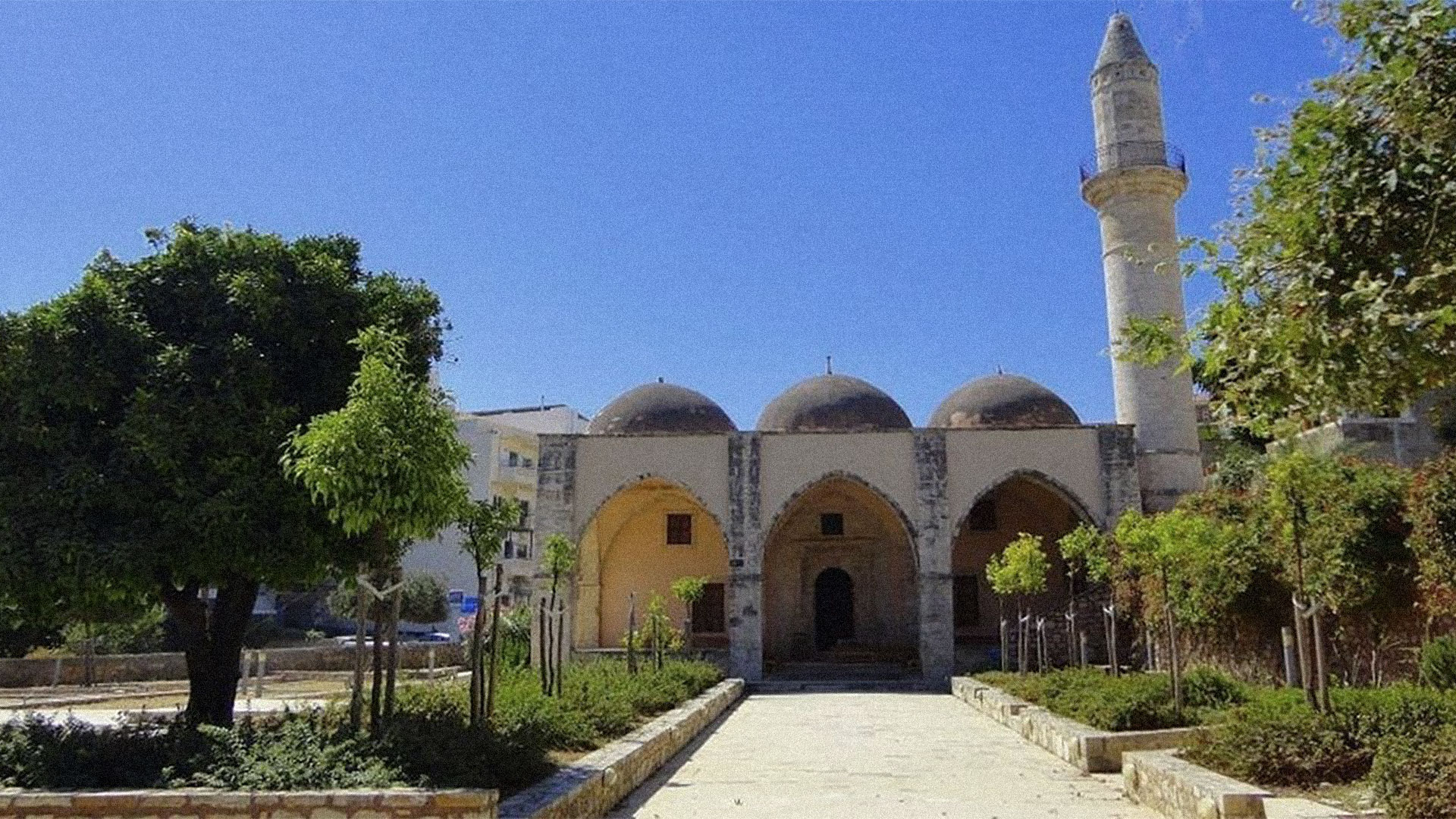
Enjoy an interactive learning experience through the virtual tour of the Paleontological Museum of Rethymno.