

Sparoza Garden
Sparoza Garden
Sparoza – A Garden Dedicated to Mediterranean Nature
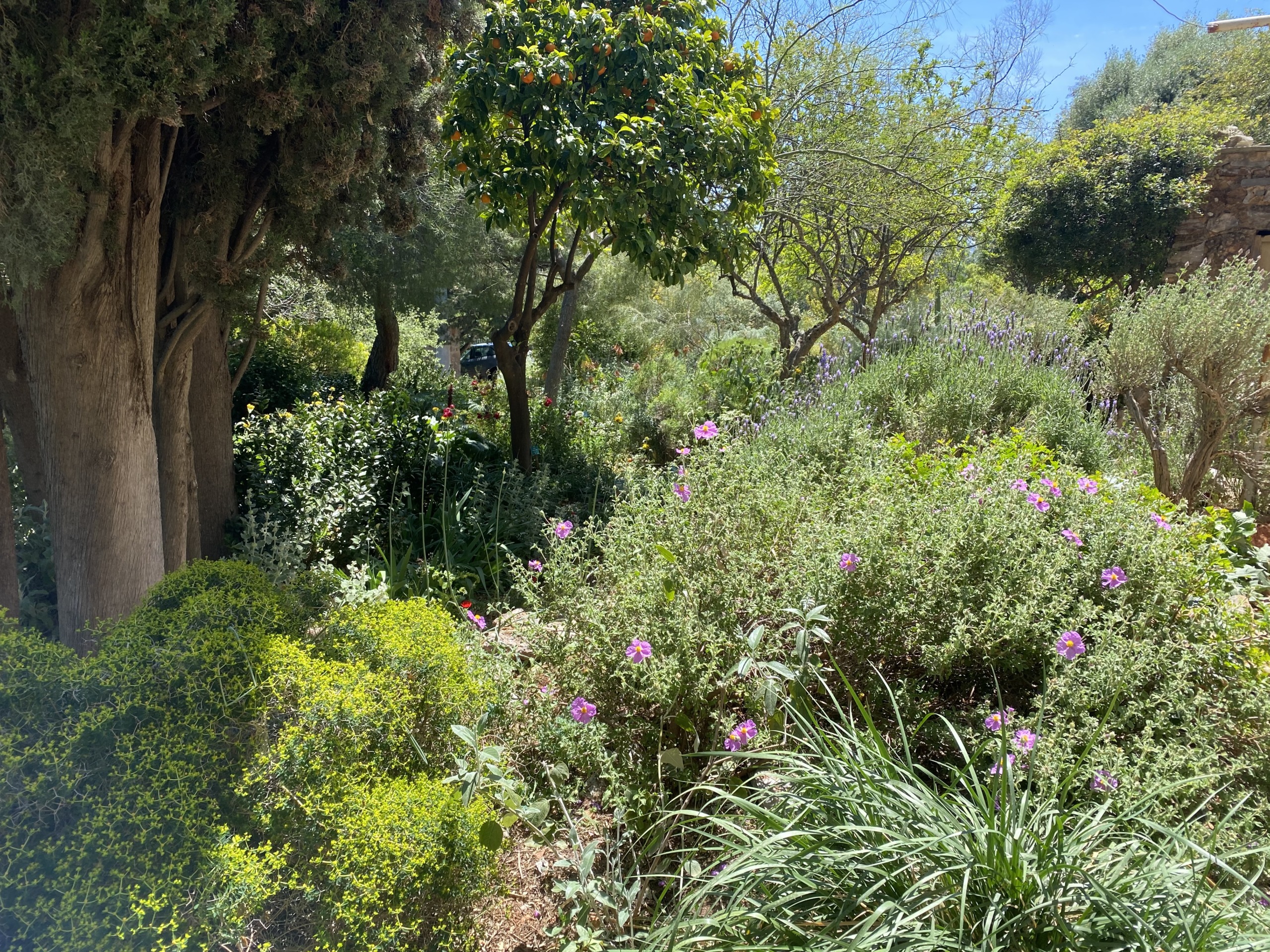
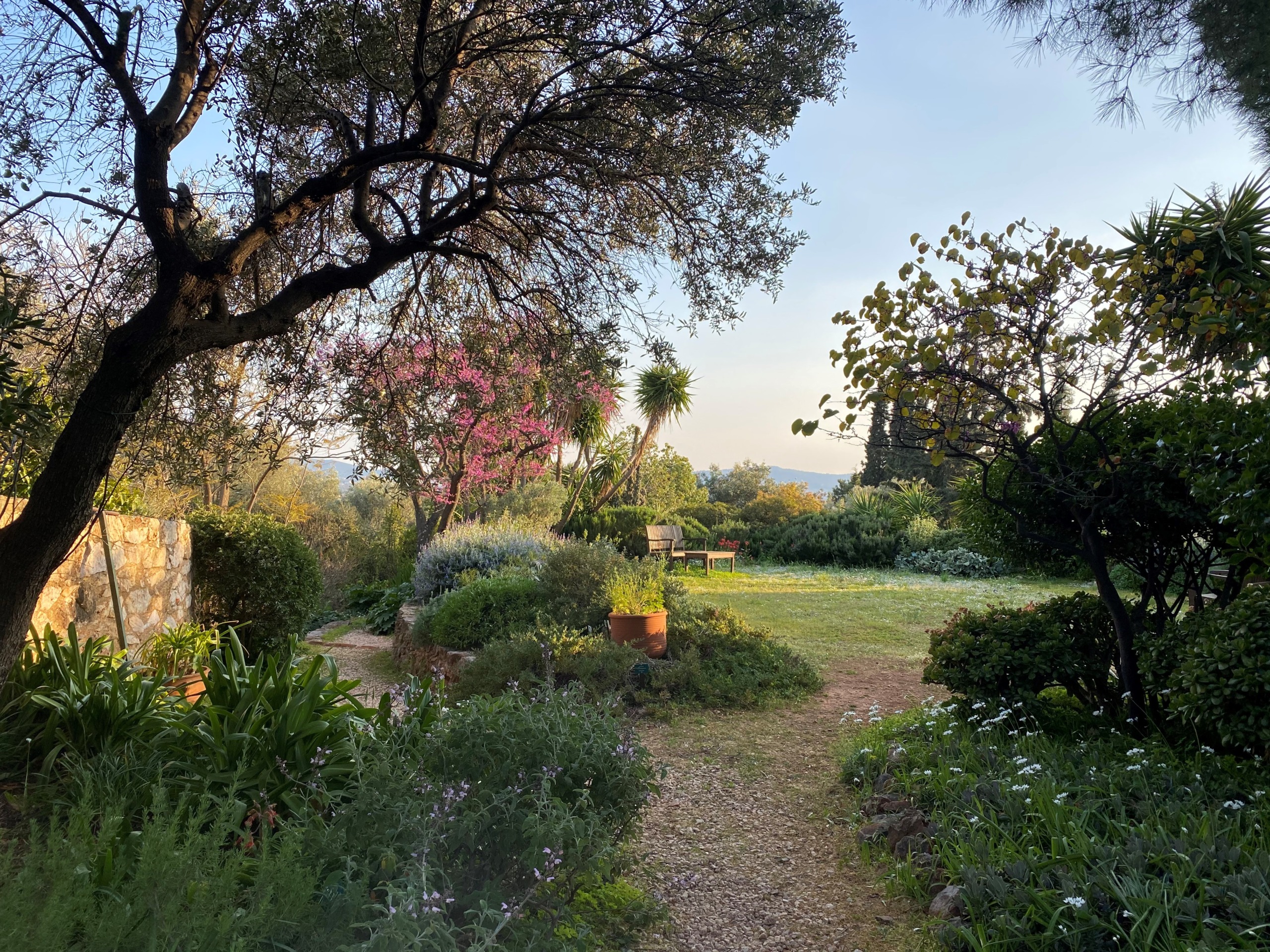
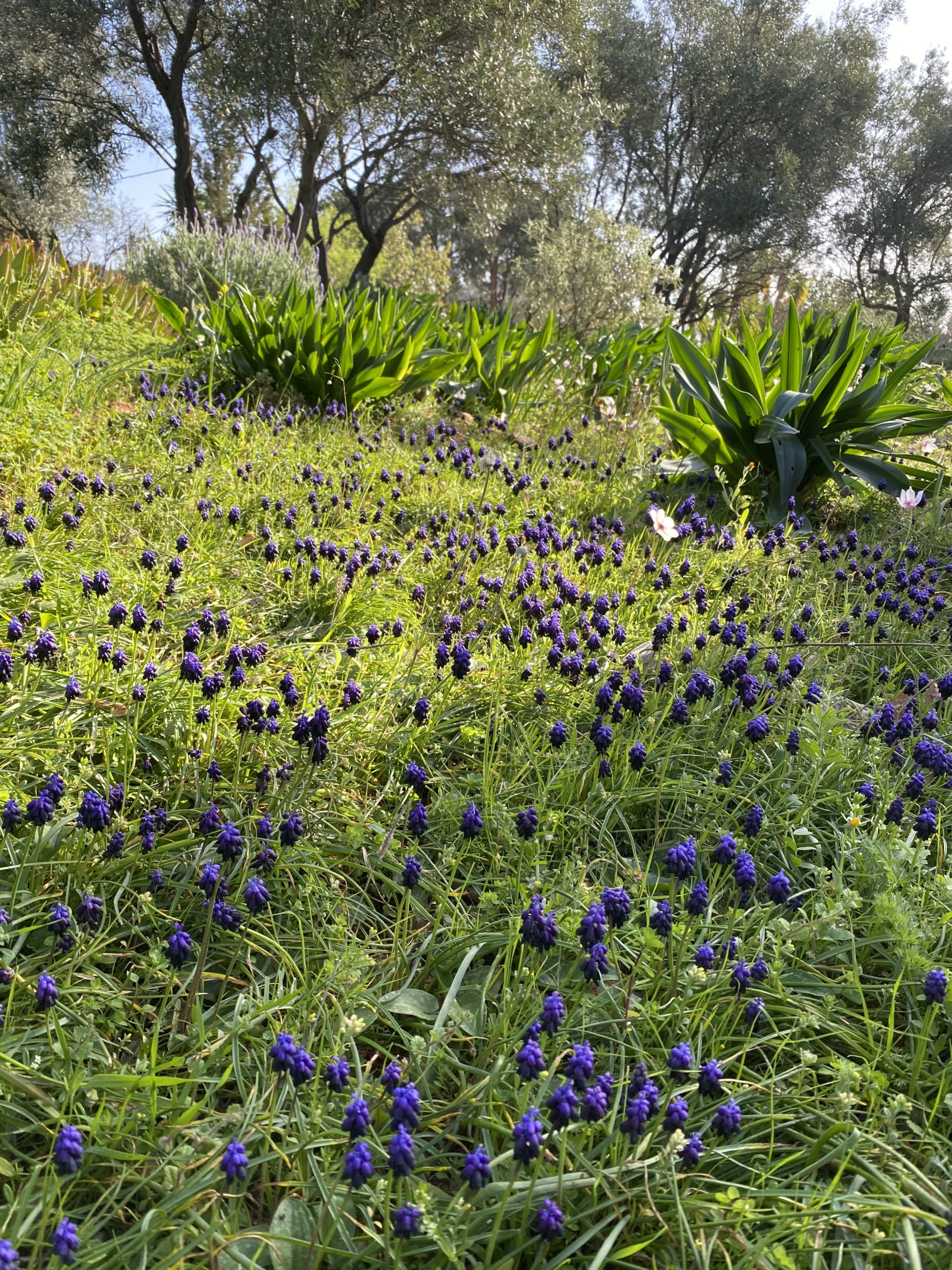
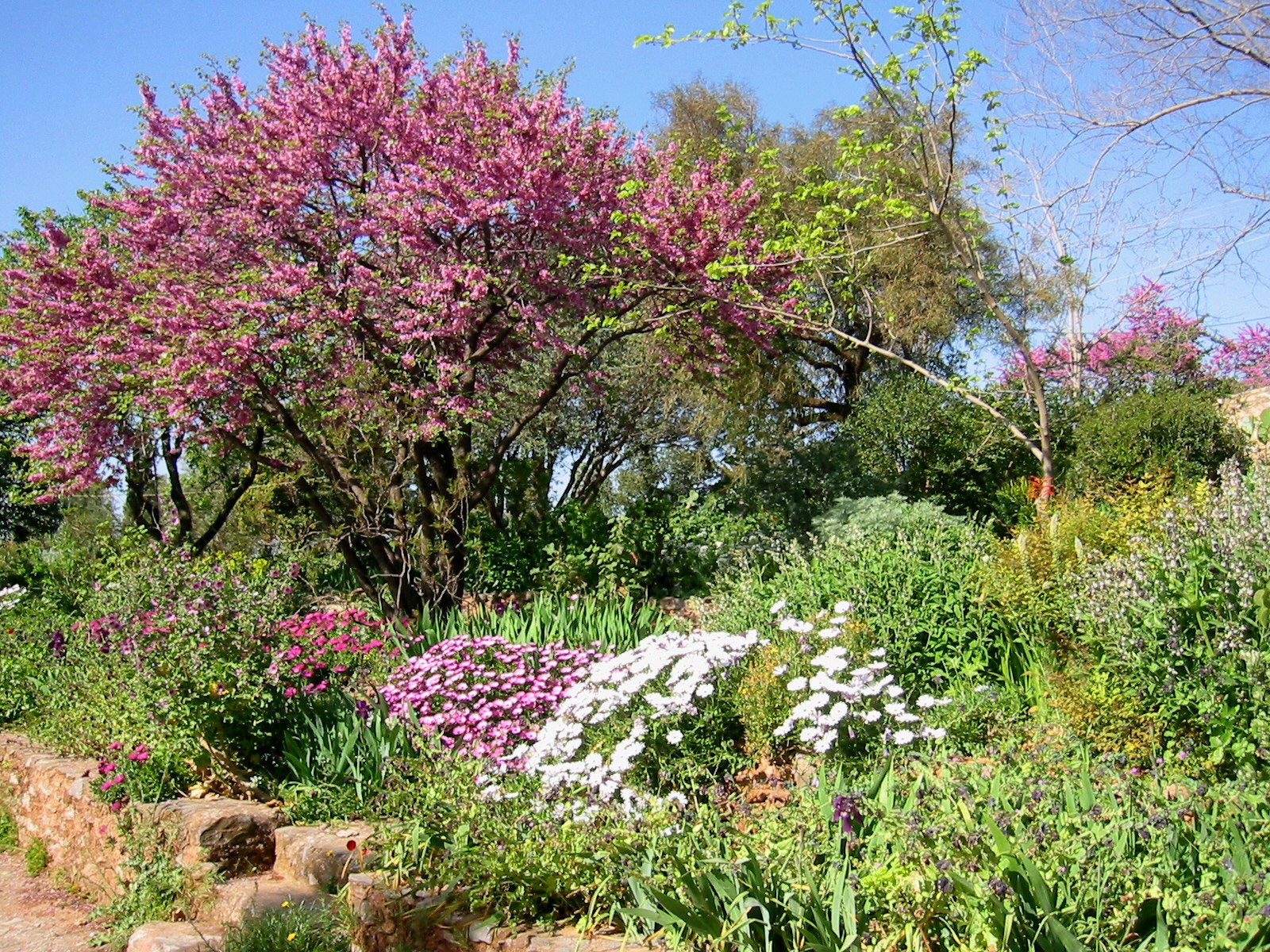
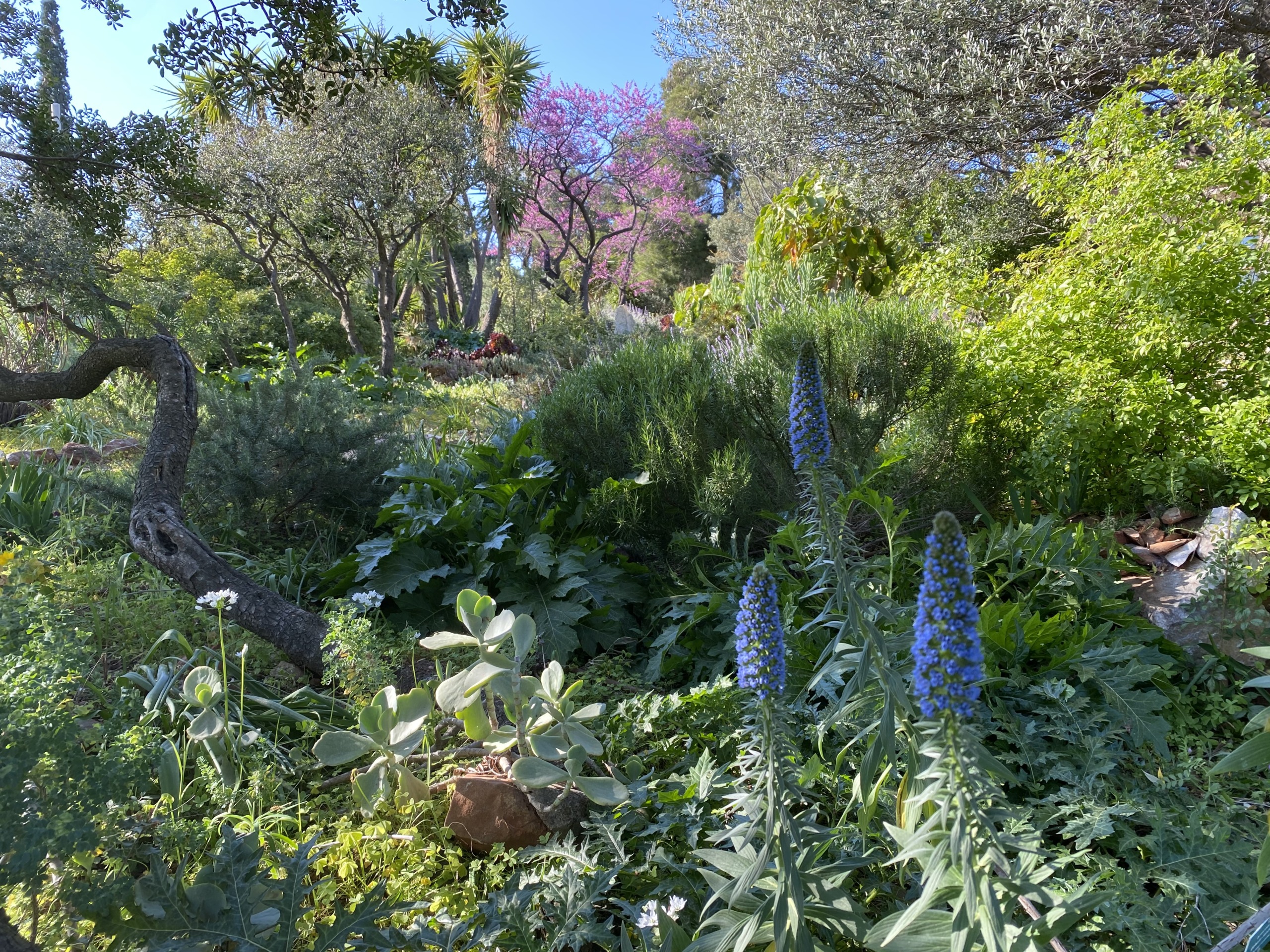
Sparoza Garden in Paiania was bequeathed to the Goulandris Natural History Museum by Jacqueline Tyrwhitt, a British professor of urban planning at Harvard. An urban planner and amateur botanist, she created a 1.75 hectares Mediterranean garden on the eastern slopes of Mount Hymettus, featuring Mediterranean plants, where visitors feel as though they are immersed in a natural landscape.
The History of Sparoza Garden
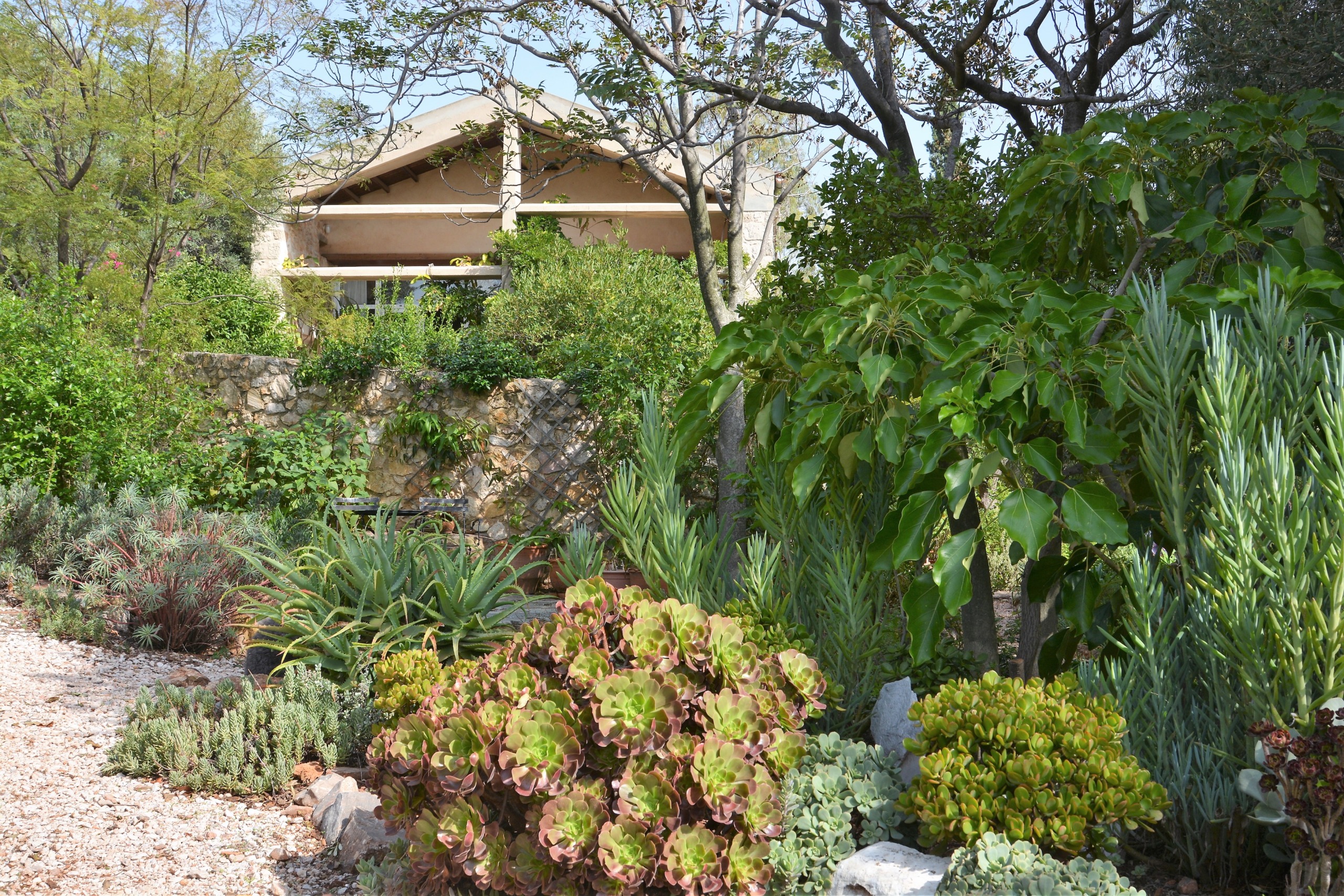
She built a small stone house with large glass windows, fully harmonized with the surrounding landscape, and settled there permanently. After her death, in 1983 the estate was bequeathed to the Goulandris Natural History Museum in recognition of the work of Angelos and Niki Goulandris.
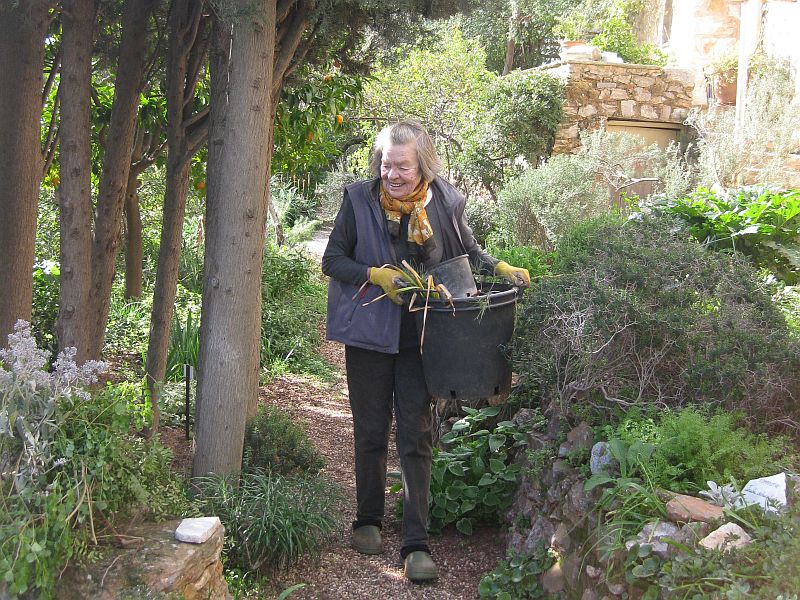
In 1991, Sally Razelou, a passionate gardener, settled at Sparoza Estate, where together with other enthusiastic gardeners she founded the Mediterranean Garden Society. Today, the Society has an international presence, with members in Australia, California, and other countries, and is headquartered at Sparoza Estate. Many botany students have carried out internships and conducted research there on plants of Mediterranean climates.
Natural Beauty and Sustainable Care
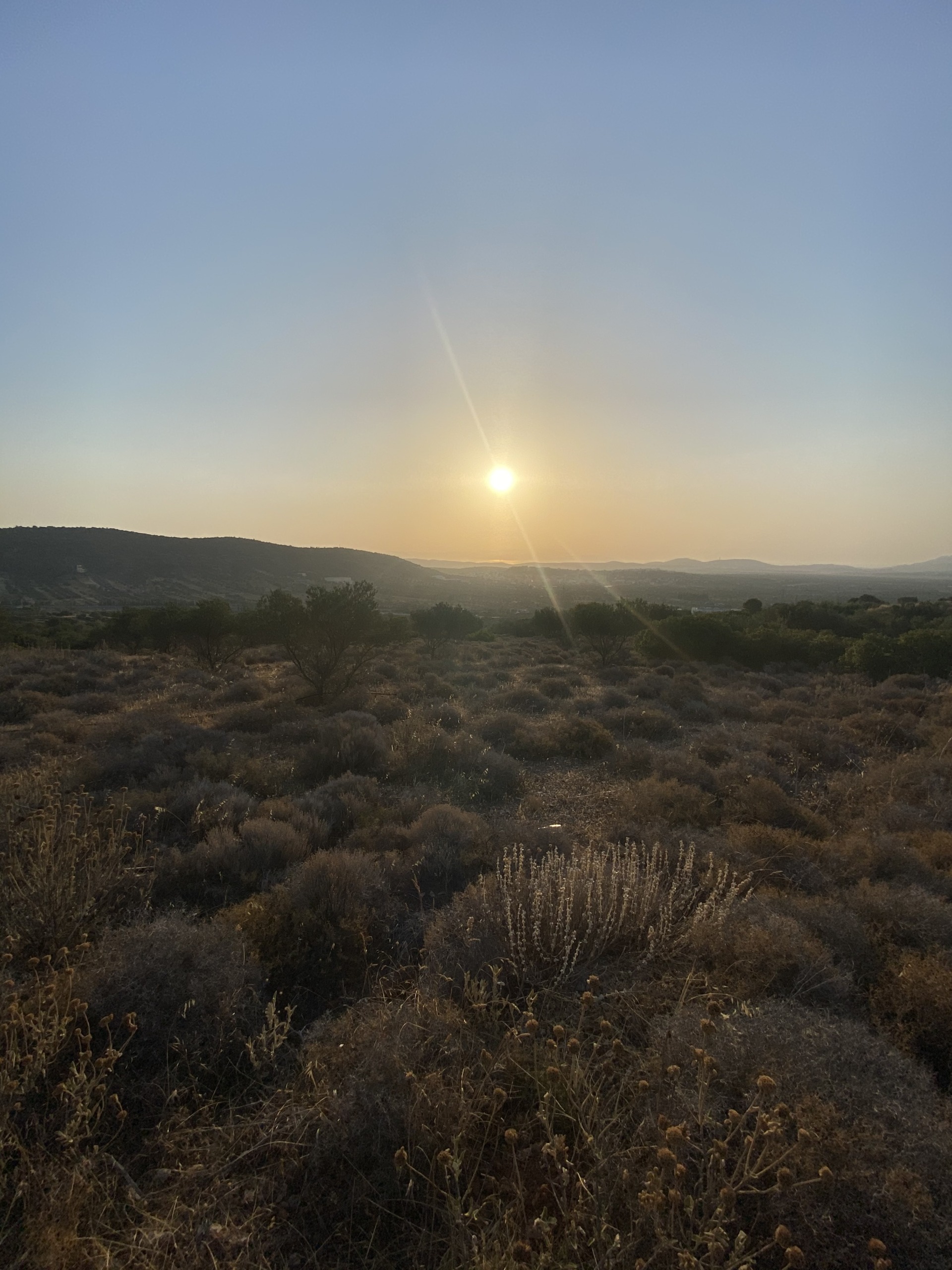
The garden is a model of ecological gardening, based on low irrigation, compatibility with the Mediterranean climate, and the use of natural compost. It covers 12 stremmas of dry, rocky terrain with a diverse microclimate. Plants that withstand drought and extreme heat are propagated, while those that fail to adapt are relocated or removed.
The name Sparoza was given to the estate because the hill on which it stands was once full of sparrows.
The Garden’s Distinct Zones Create a Complete Ecosystem
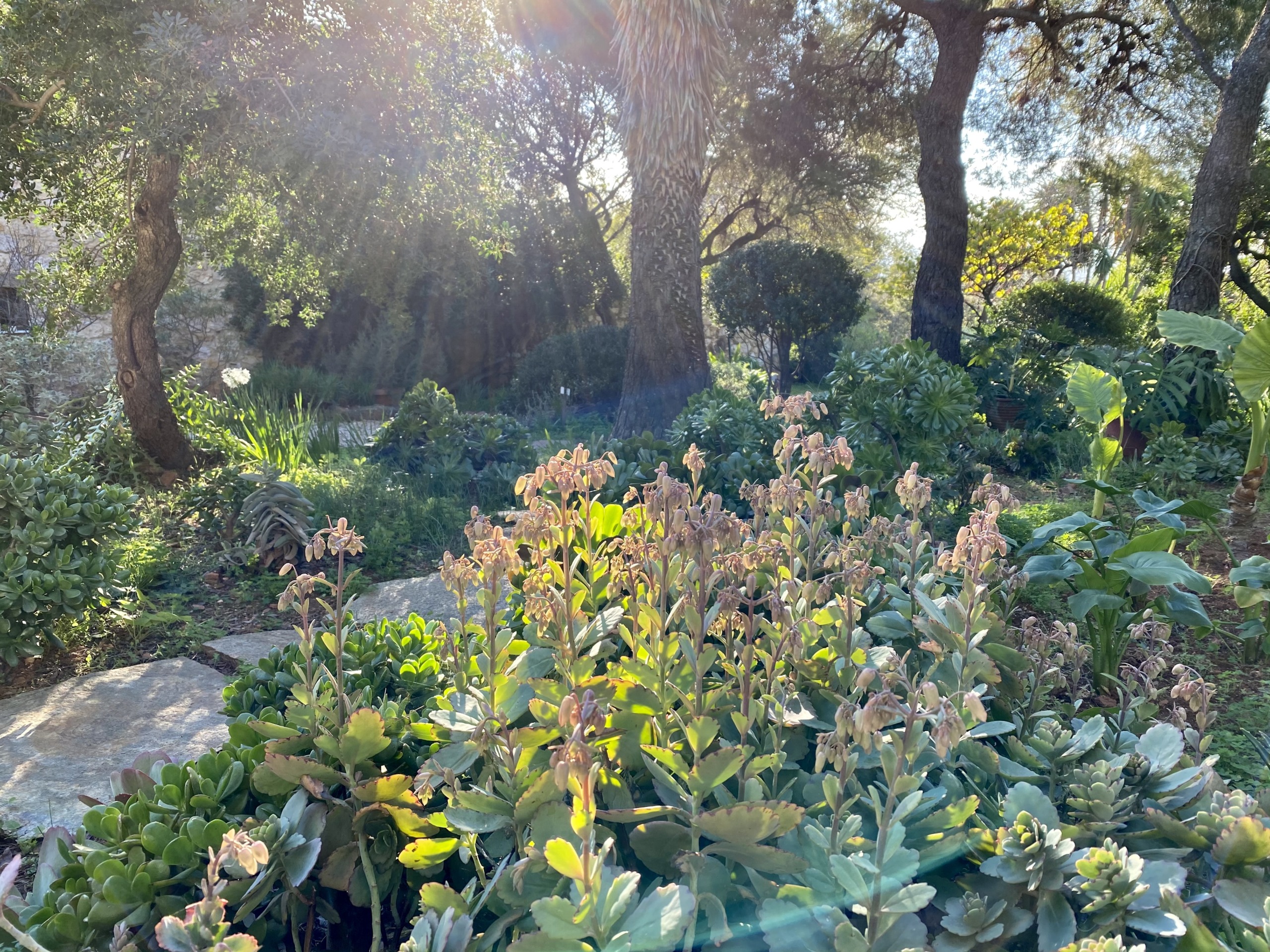
The layout of the garden includes areas with succulents, phrygana (Mediterranean shrubland), terraced levels, and a sunken garden planted with citrus trees and climbing plants. The façade of the house and the flower beds host roses, delicate plants, and climbers that provide shade and color to the space.
Today, Sparoza Garden continues to evolve, welcoming students and researchers, and serving as a model example of how a Mediterranean garden can flourish when it respects the climate, water resources, and the natural rhythm of the environment.
The garden is managed and maintained by the Mediterranean Garden Society. More information about the Society can be found here.
You can also read related articles about Sparoza Estate and visit its Instagram page.
- The Greek Herbalist, Marie Ruffier-Monet, gnhm, Onassis Foundation , zeusndione, athensinsider, gardensillustrated, ft.com, cyathens.org , flickr, sparoza, ekathimerini,Pacific Horticulture
Gallery