
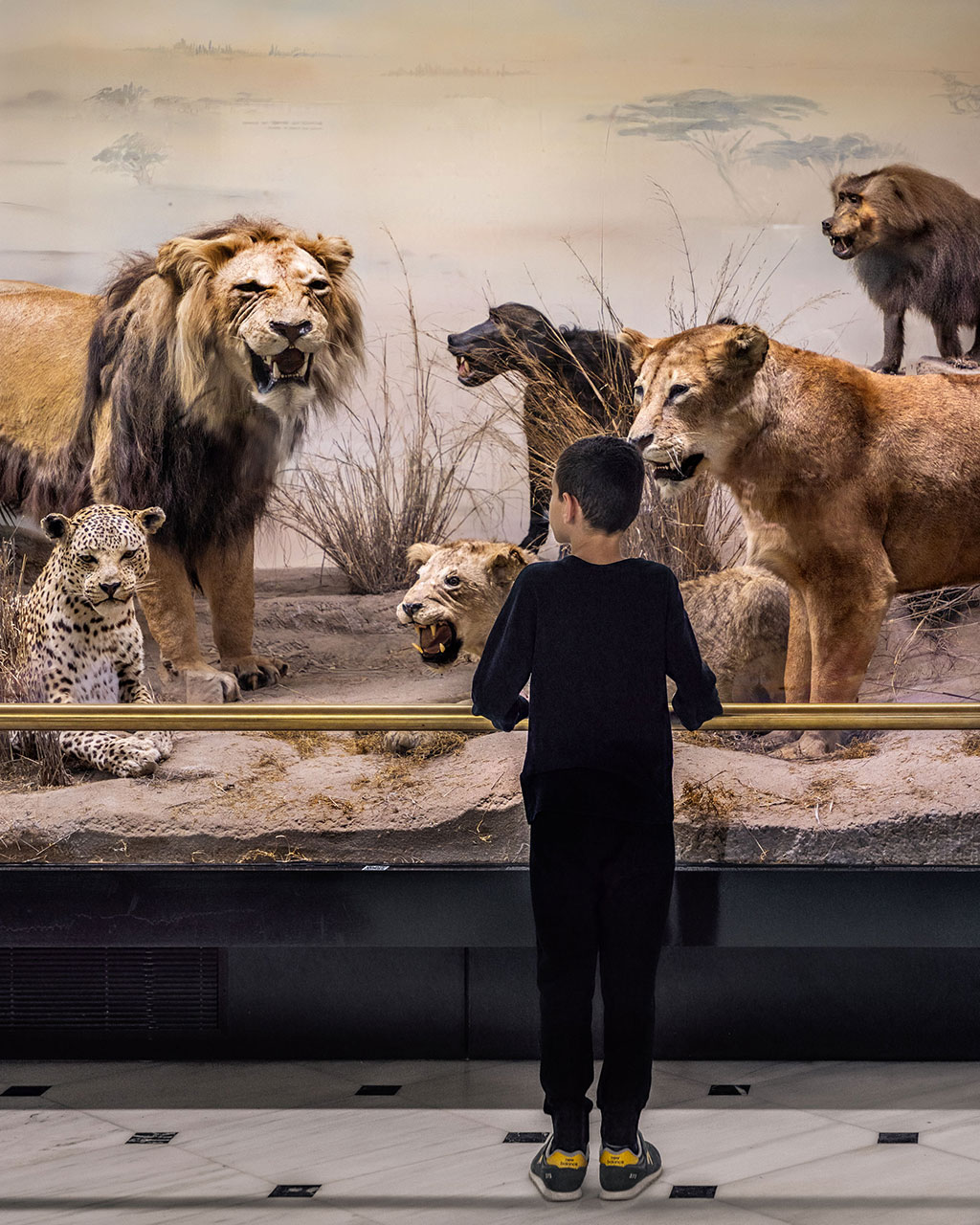
Let’s Talk at the Goulandris Natural History Museum
“The Unique Greek Biodiversity: Threats and Protection”
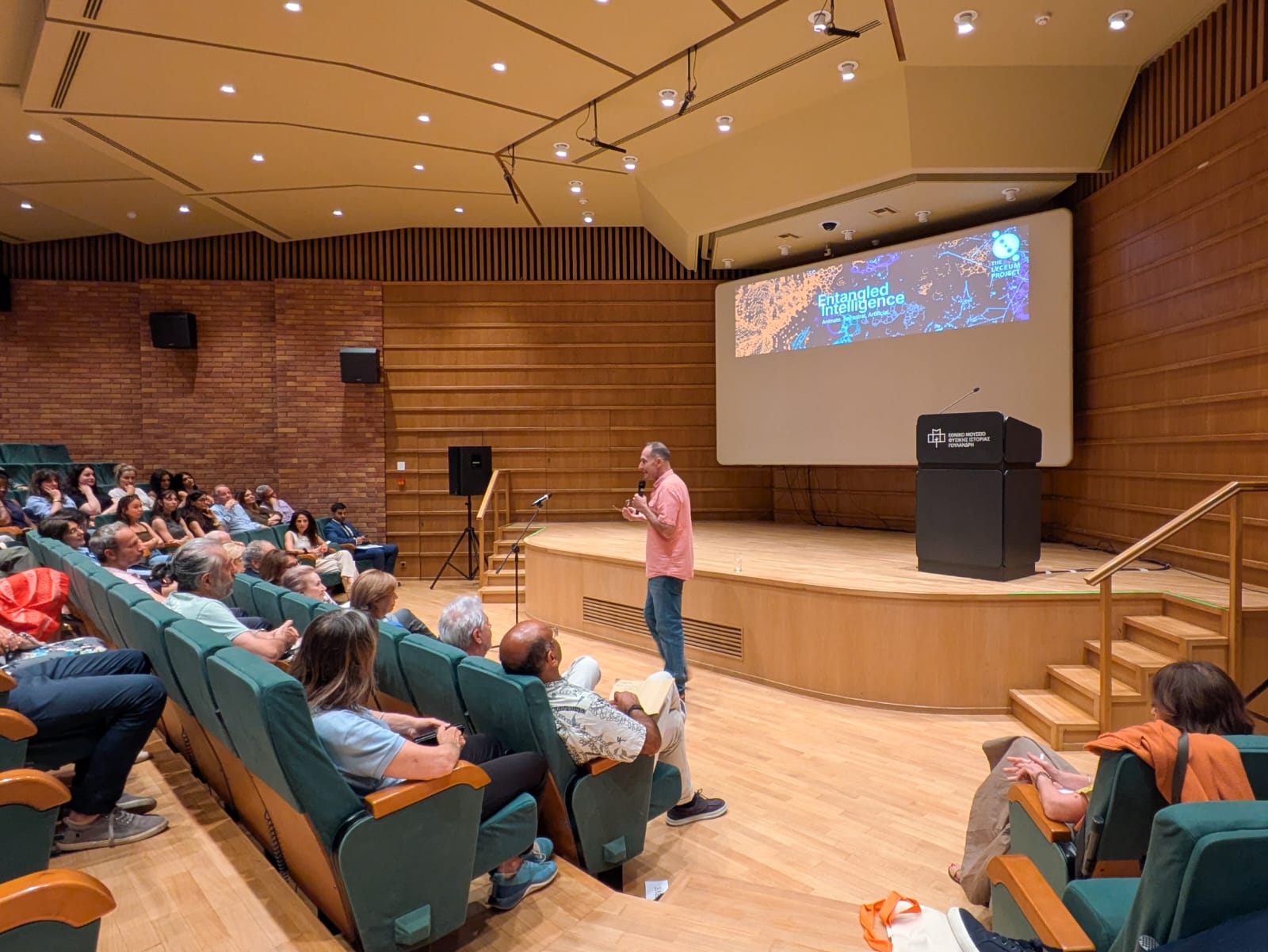
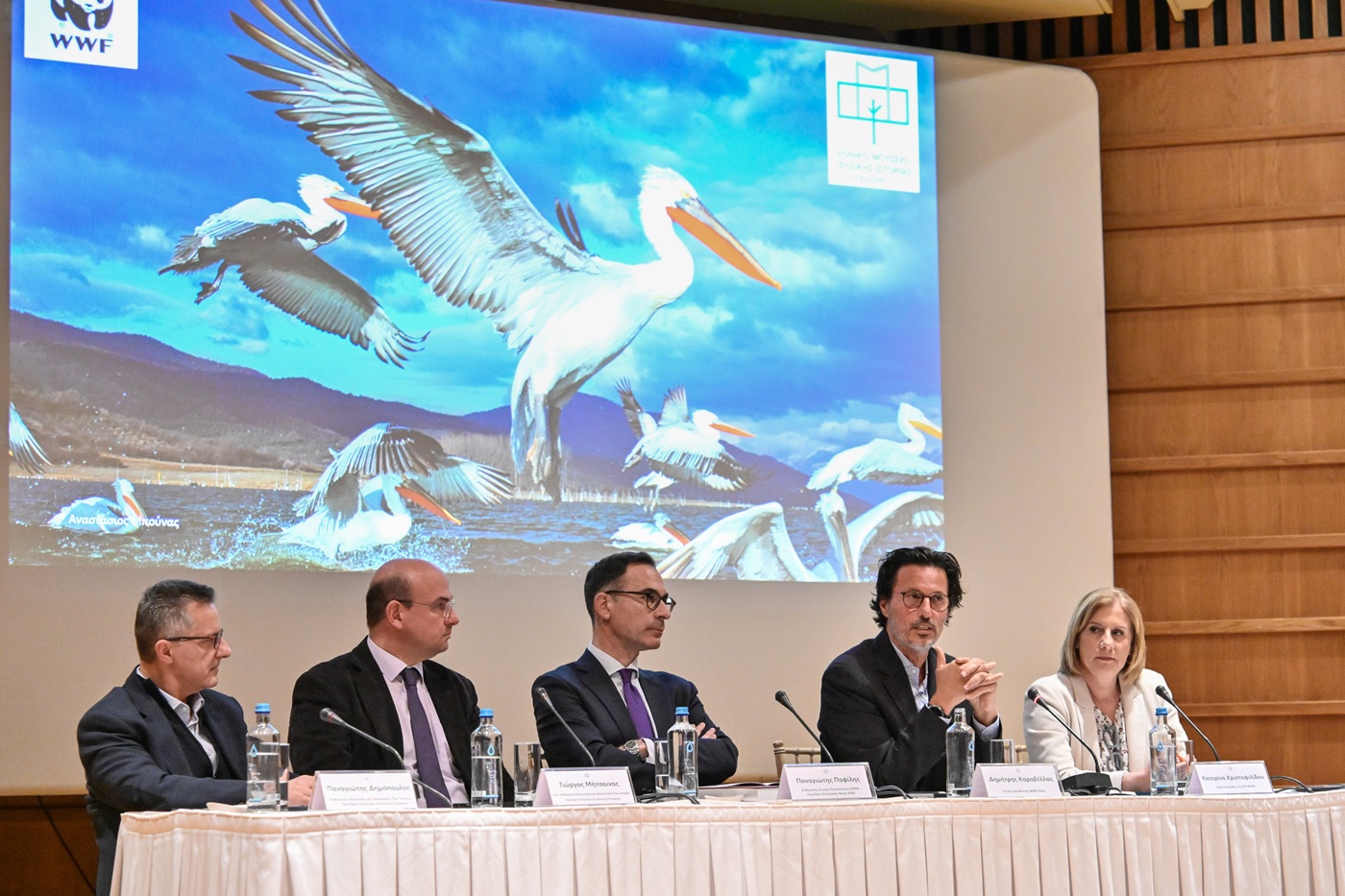
On Wednesday, March 11, 2026, as part of the lecture series “Let’s Talk at the Goulandris Natural History Museum”, the second event in the series was held with broad public participation, titled: “The Unique Greek Biodiversity: Threats and Protection.” The event featured distinguished speakers: Panagiotis Dimopoulos, Professor of Botany and Ecology, University of Patras – President of the Hellenic Botanical Society; Giorgos Mitsainas, Assistant Professor of Mammal Biodiversity, University of Patras – President of the Hellenic Zoological Society; Panagiotis Pafilis, Professor of Animal Diversity, National and Kapodistrian University of Athens – President of the “Nature 2000” Committee; and Dimitris Karavellas, General Director of WWF Greece. The discussion was moderated by the renowned journalist Katarina Christofilidou, well known for her sensitivity to environmental and ecological issues.
Welcoming the audience and speakers, the Museum’s President, Ms. Fali Voyatzaki, emphasized that the Museum’s mission is not only the documentation and study of biodiversity, but also the coordination of stakeholders for the protection and development of strategies to address environmental threats and challenges.
The discussion developed around three main axes: the uniqueness of Greek biodiversity, the threats it faces, and the ways to protect the country’s fauna and flora.
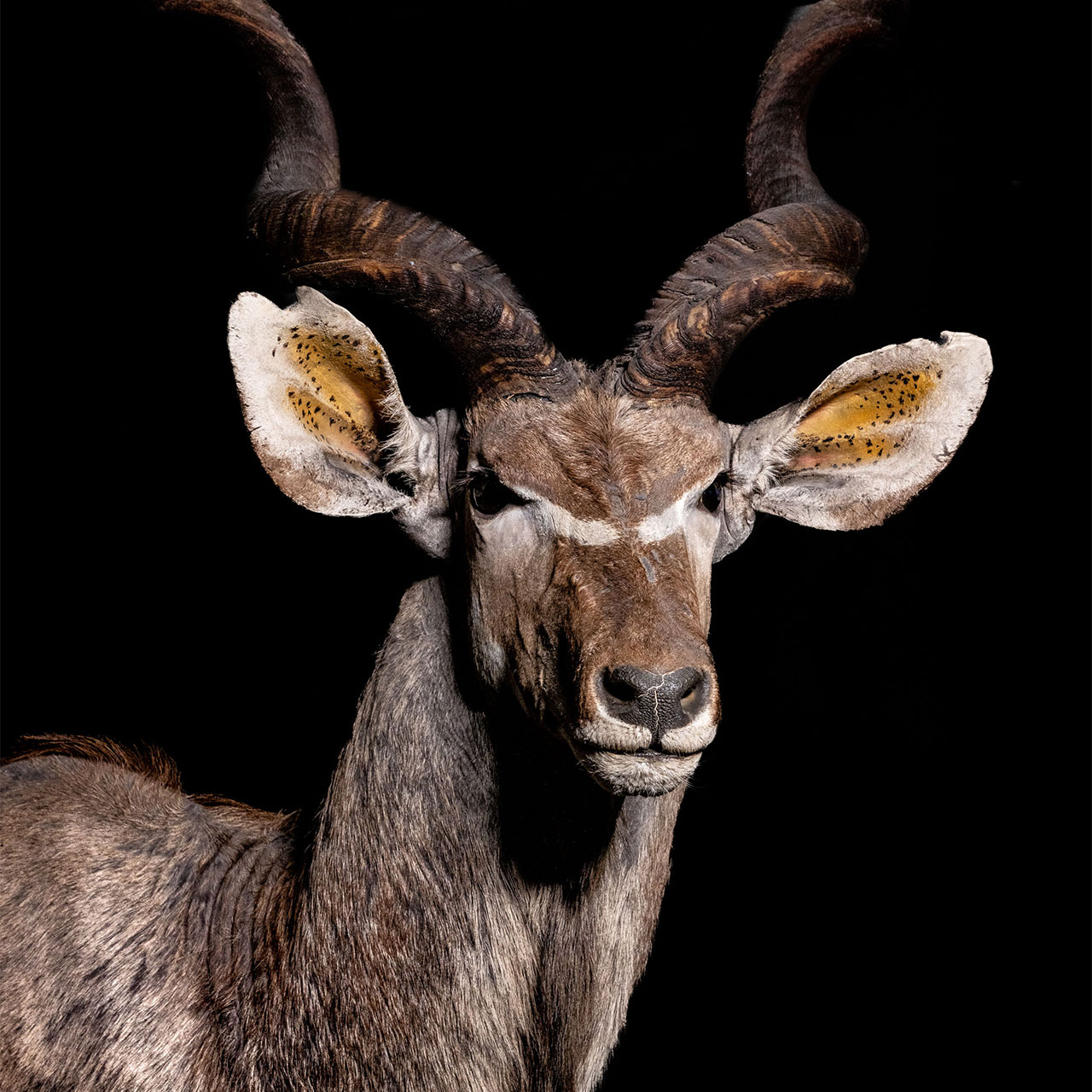
In their effort to highlight the uniqueness of Greek biodiversity, the speakers referred to the currently recorded 7,000 plant species and 25,000 animal species, with special mention of the high percentages of endemic and sub-endemic species, reaching or exceeding 20%. These species, threatened mainly by the climate crisis, wildfires, wind farm siting, pollution, population growth, and land-use change, are irreplaceable due to Greece’s high level of endemism and unique geographical position.
Offering a message of hope despite the challenges, the speakers, as specialized scientists and as channels of information and awareness for the state and society, highlighted that significant progress has already been made in documenting and studying Greek biodiversity. Nevertheless, the institutionalization and funding of national action plans, the artificial or natural regeneration of burned areas, investment in scientific knowledge, and the involvement of local communities can and must contribute to managing threats and protecting this national heritage.
The program of the lecture series “Let’s Talk at the Goulandris Natural History Museum” continues with:
• Event on human evolution (Wednesday, May 20)
• Conference on the sustainability and resilience of Greek islands, in collaboration with the University of the Aegean & Elliniki Etairia – Society for the Environment and Cultural Heritage (June 5 – World Environment Day)
• Event on Greek lakes (October 7)
• Event on marine protection and sustainable development in Greece (November 11)