

Flowering Plants
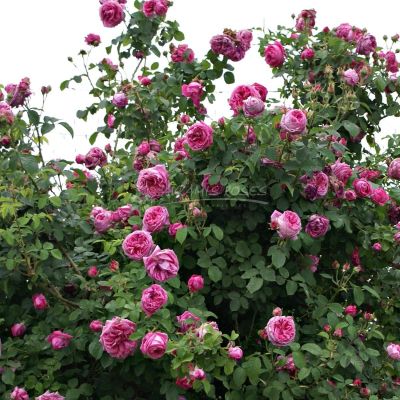
Rose

Rose is probably the most well-known flowering plant found in gardens, parks and balconies and is rightly considered the queen of flowers, a symbol of love beauty all over the world.
Roses have been known since ancient times, and they still impress with their beautiful colors and unique fragrance.
They can be planted all year round, with the color of their flowers being proportional to the variety of each rose. They are very resistant to cold.
The stem of the plant is armed with sharp prickles, as do the leaves on their tips.
Plant label: Common name Rose
Type (herb, shrub, tree): shrub
Maximum height: It depends on the variety
Light preferences (shade, sun): Sun
Water requirements (little, a lot): A lot, so that the soil doesn’t dry
Soil preferences (type): Rich in nutrients
Flower color: Dark red, red, orange, pink, or white
Sowed in (month of the year): All year round
Cold tolerance (low- high): High
Heat tolerance (low – high): Quite enough
Rose’s secrets:
Through time, poets in the whole world have written about roses, while many painters have included them in a huge variety of compositions.
“The Little Prince” by Antoine de Saint-Exupéry is a book adored by children and adults like no other. It has been translated into 500 languages! This unique fairy tale makes observations about life, adults, and human nature – it explains the power of love between a small boy and a rose.
“Beauty and the Beast” is also a very old but well-known fairy tale, talking about the importance of a rose, which still enchants children, 260 years after the time it was written!
Apart from its beauty and fragrance, roses give us an excellent quality of essential oil, which we get from the petals of the flower, and is used in cosmetics. Rose petals or flower buds are sometimes used to flavor ordinary tea, or combined with other herbs to make herbal teas.
Since ancient times, one can see that roses were used for their many medicinal properties. People used them for headaches and for healing eyes, ears, gums, and bleeding.
There is evidence for medicinal use of rose in ancient Greece as early as 1600 BC. but also in ancient Egypt, China and India. However, the homeland of the rose is Persia.
Rose has been a wellness favorite for centuries. It promotes healthy skin, while soothing irritations and acting as a natural skin cleanser. Rose is rich in vitamin C and significantly treats wrinkles.
…AND THE ROSE LABEL!
Click on the photo below, adjust the size, print, cut with scissors the border and glue that paper label on an ice cream stick!
Then put the stick in the soil of the Rose you planted!
This way you will know which plant it is, especially when you sow and grow several plants at the same time…!
………………………………………………………………
SUNFLOWER
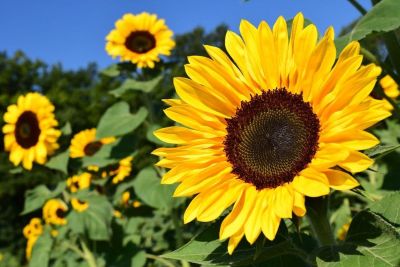
A sun … in a flower! After all, it gets its name from the fact that the flower “follows” the sun!
It comes from America and is a particularly tall plant with hairy toothed leaves
A spectacular summer flower with a bright yellow color on the outside and brown on the inside
It is destroyed by the cold of winter
Plant label: common name Sunflower
Type (herb, bush, tree): herb
Maximum height: From 1 to 3 meters
Light preferences (shade, sun): Sun
Water requirements (little, a lot): Around one time a week
Soil preferences (type): Rich in nutrients with good drainage
Flower color: Yellow
Sowed in (month of the year): Springtime until June
Cold tolerance (low- high): Very low
Heat tolerance (low – high): High
Sunflower’s secrets
It is of great economic importance
It is cultivated for a wide variety of its products, such as:
· Its oil, sun oil, which is found in the sunflower seeds – it is mainly used for frying
· Its seeds – the sunflower seeds that are eaten by both humans and birds
· Fuel, biodiesel
· Decorative plant, because of its impressive flowers
..AND THE SUNFLOWER LABEL!
Click on the photo below, adjust the size, print, cut with scissors the border and glue that paper label on an ice cream stick!
Then put the stick in the soil of the sunflower you planted!
This way you will know which plant it is, especially when you sow and grow several plants at the same time…!
………………………………………………………..
Fruits and Vegetables
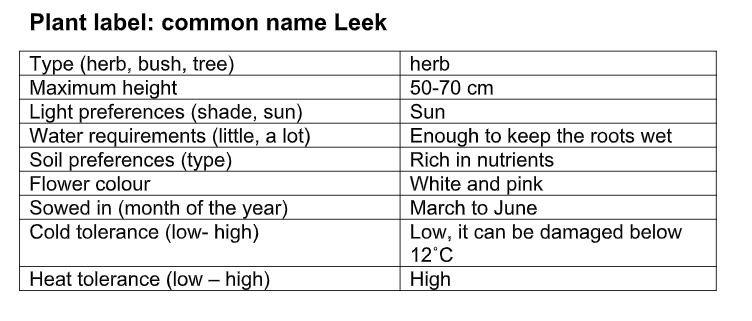
LEEK
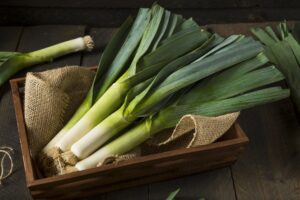
A very tasty vegetable, complimenting many Greek dishes. The most
distinctive characteristic of the leek is its green and oblong leaves!
It can be sautéed in a pan and consumed plain or paired with bread, or even
in an omelet! It is also included in several Greek dishes cooked with olive oil,
such as spinach – rice, leek – rice, peas or green beans…
Leek is a perfect ingredient for winter soups, tarts and pies – it’s smoothly
combined with minced meat, chicken and bacon!
It is rich in vitamins A, B , C and K and has many health benefits!
Leek’s secrets
- It’s closely related to onions, scallions and garlic
- It was one of the main components of Egyptian and Mesopotamian diet
since 2.000 BC, as well as the ancient Greek and Roman diet. - Ancient Greeks used leeks as medicine for sore throat. Τhey also
believed that it made their voices stronger! - Leeks are a great source of iron and are beneficial for the heart. Τheir
juice can lower blood pressure!
….and this is the leek’s label!
Click the photo below, adjust its size, print it, use your scissors in order to cut the outline and stick this label on a wooden stick from an ice cream! Then put the stick in the soil next to the leek you planted! This way, you will know which plant it is, especially when you plant and grow different plants at the same time!
………………………………………………………………………………………………….
SPRING ONION
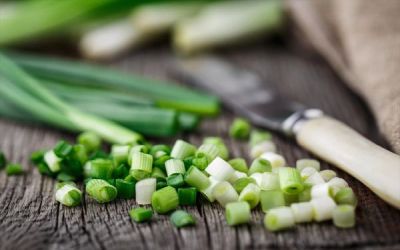
One of the most popular vegetables of our kitchen, spring onion can be used in many different dishes and recipes, adding flavor to our food!
It has a pleasant taste, so it is often eaten raw in salads!
It is rich in fiber, minerals and vitamins, but low in calories, so it is ideal for those who watch their diet!
Plant label: common name Spring onion
Type (herbs, bushes, trees): Herbs
Maximum height: 40 – 50 cm
Light preferences (shade, sun): Sun
Water requirements (little, a lot): Some, small quantities every 4 – 5 days
Soil preferences (type): Soft, with a good drainage
Flower color: White, white – greenish and purple
Sowed in (month of the year): Year round
Cold tolerance (low- high): Low
Heat tolerance (low – high): Low, ideally it needs 15˚ C
Fresh onion’s secrets:
· It belongs to the same family as garlic and leek
· The underground part of the spring onion is called the bulb and it is basically the dry onion that we put very often in our food!
· It is very popular in Asia, where it is used in almost all recipes!
….and the spring onion’s label!
Click the photo below, adjust its size, print it, use your scissors in order to cut the outline and glue this label on a wooden stick from an ice cream! Then put the stick in the soil next to the spring onion you planted!
This way, you will know which plant it is, especially when you plant and grow different plants at the same time!
………………………………………………………………………
GREEN BEANS
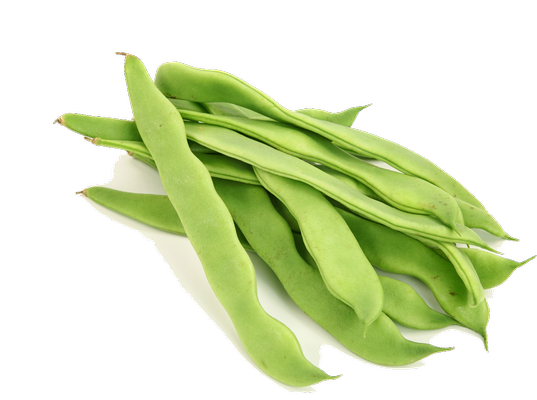
One of the most popular summer vegetables, not only in our diet, but also in
literature and life! Jack and the Beanstalk is a well known fairy tale, and
you’ ve certainly heard the saying "a bean fills a bean bag!"
Green beans are eaten in salads but also as an oily tomato based vegetarian
dish!
They are rich in vitamins, fiber, antioxidants, minerals and proteins and are
ideal for those who watch their diet, as they are low in calories (90% water)!
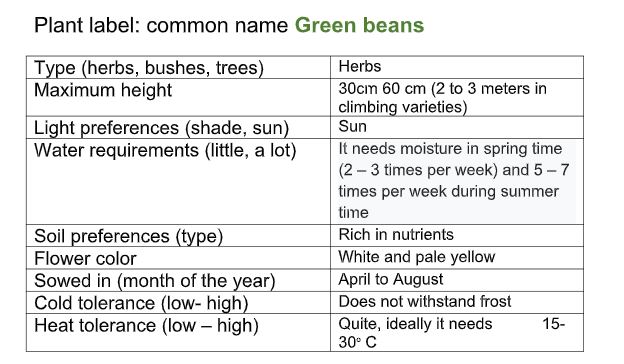
THE SECRETS OF GREEN BEANS
• Its origins are from America and “travelled” to Greece in the middle of the
17th century
• Some varieties of beans give us dry beans, such as “giant beans” (called
gigantes in Greek) and black-eyed beans!
Click the photo below, adjust its size, print it, use your scissors in order to cut the outline and stick this label on a wooden stick from an ice cream! Then put the stick in the soil next to the beans you planted! This way, you will know which plant it is, especially when you plant and grow different plants at the same time!
………………………………………………………………………………………………….
CABBAGE
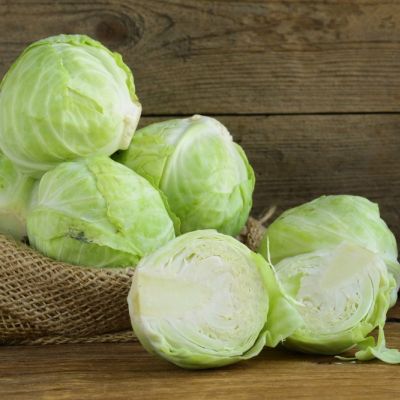
Cabbage is a leafy green, pale green or purple plant grown as a biennial vegetable crop for its dense-leaved heads. It is closely related to broccoli and cauliflower
A cabbage generally weighs between 500 and 1,000 grams. Smooth-leafed, firm-headed green cabbages are the most common ones
Type (herbs, bushes, trees): Herb
Maximum height: 40 – 60 cm the 1rst year, 1,5 m. the 2nd year
Light preferences (shade, sun): Full sun
Water requirements (little, a lot): Often and in small amounts, keep the soil moist
Soil preferences (type): Rich in nutrients: nitrogen, phosphorus and potassium
Flower colour: White and yellow
Sowed in (month of the year): March to August
Cold tolerance (low- high): Quite high, but not in the frost
Heat tolerance (low – high): Ideally it needs 20-26˚ C
Cabbage’s secrets
· Cabbage was most likely domesticated somewhere in Europe before 1000 BC.
· It was also employed by European sailors to prevent scurvy during long ship voyages at sea.
· Cabbage can be prepared in many ways: It can be pickled, steamed, roasted, sautéed, braised, or eaten raw, as a salad. Raw cabbage is a rich source of vitamin K, vitamin C, and dietary fiber.
· In Greece, cabbage is used for “dolmades”, as its big leaves, when steamed are used to envelop minced meat. It is very well-known and very tasty dish, served with egg- lemon sauce.
. Many European and Asiatic names for Cabbage derive from the Celto-Slavic root cap, meaning “Head”
….and the Cabbage’s label!
Click the photo below, adjust its size, print it, use your scissors in order to cut the outline and glue this label on a wooden stick from an ice cream! Then put the stick in the soil next to the Cabbage you planted!
This way, you will know which plant it is, especially when you plant and grow different plants at the same time!
……………………………………………………………………..
Fresh Herbs
PARSLEY
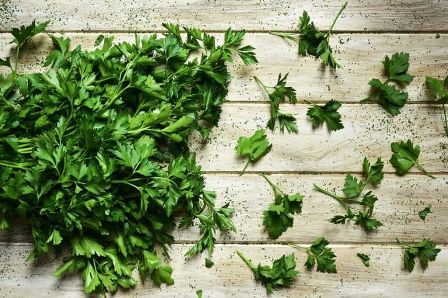
Parsley is a herb that matches…with almost every dish, that’s why we call someone “parsley”, when one can be found and adapted in any environment!
Parsley is one of the most favorite herbs. We grow it in our garden, or our balcony. Its aromatic leaves are used in salads, pies and many more recipes, giving a special taste and aroma to a great number of dishes!
Plant label: common name Parsley
Type (herb, bush, tree): Herb
Maximum height: 40 cm
Light preferences (shade, sun): Sun (shade in the summer)
Water requirements (little, a lot): Frequently and in small amounts
Soil preferences (type): Enriched
Flower colour: Greenish – yellow
Sowed in (month of the year): January until September
Cold tolerance (low- high): High, resistant to frost
Heat tolerance (low – high): High, as long as the soil is moist
SECRETS OF PARSLEY:
. In ancient Greece it was called petroselino (stone celery)
· It is very high in iron (more than any other green vegetable) and contains vitamins A, B, C (3 times more vitamin C than an orange).
. It helps in the digestion process.
. The ancient Greeks used it as an aromatic herb but also as a medicine for various diseases, while the Roman gladiators always used it in their juices to gain strength.
…AND HERE IS THE PARSLEY LABEL!
Click on the photo below, adjust the size, print, Cut the border with scissors and Glue this paper tag on an ice cream stick!Place the stick in the soil of the lavender you just planted!
Place the stick in the soil of the parsley you just planted!
This way you will know which plant it is, especially later when you will grow many plants at the same time!
………………………………………………………………………………..
Dill
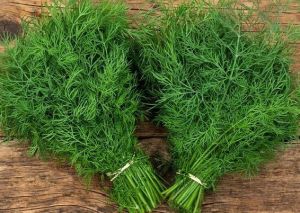
One of the most popular herbs of the Mediterranean cuisine, which flavors our food and gives them a special aroma in a minute!
It is used in salads, soups, pies, and various sauces.
It is rich in nutrients and is very beneficial for our health.
Plant label: common name Dill
Type (herb, bush, tree): herb
Maximum height: 40 to 60 cm
Light preferences: (shade, sun) Sun
Water requirements (little, a lot): Quite often, in small quantities, in wintertime only when the soil is dry
Soil preferences (type): Rich in nutrients
Flower color: Yellow and orange
Sowed in (month of the year): March to June
Cold tolerance (low- high): Quite low, but not below 0˚ C
Heat tolerance (low – high): Quite high, not higher than 35ο C
THE SECRETS OF DILL….
• Its characteristic smell is reminiscent of aniseed.
• It belongs to the same family as other herbs, such as fennel, cumin, anise, etc.
• Ancient Greeks made perfume from its flowers and put it in various wines that named them “dill wines”.
• Also, ancient Greeks crowned the winners with flowering branches of dill and athletes anointed their bodies with the essential oil of the dill fruit to relax their muscles!
• It is used for colic pains that babies have, as a diuretic and enhances breathing.
….and the dill’s label!
Click the photo below, adjust its size, print it, use your scissors in order to cut the outline and stick this label on a wooden stick from an ice cream! Then put the stick in the soil next to the dill you planted! This way, you will know which plant it is, especially when you plant and grow different plants at the same time!
………………………………………………………………………
Newsletter
Subscribe to our email newsletter to receive updates on the latest news.
Read the Privacy Policy.