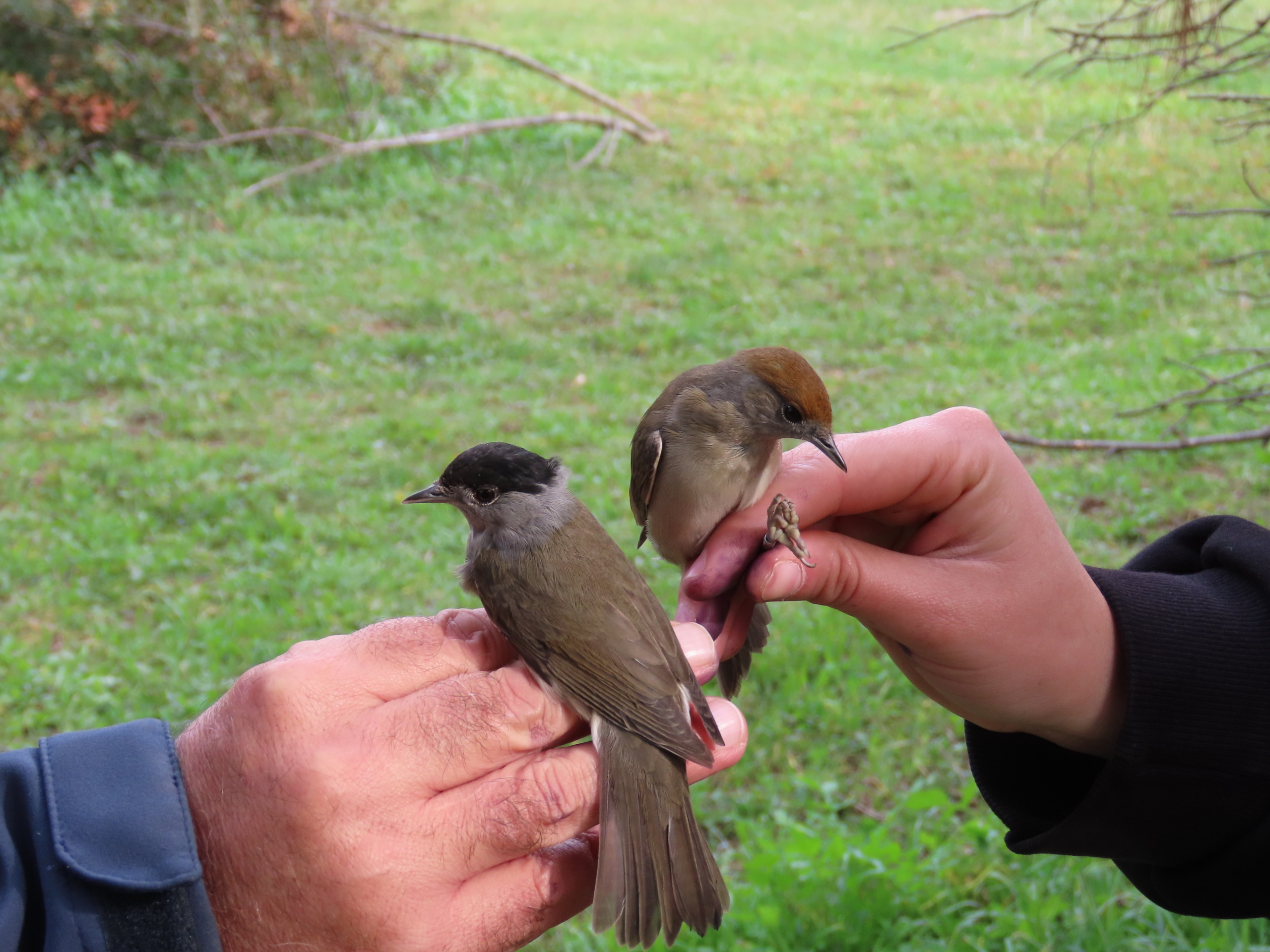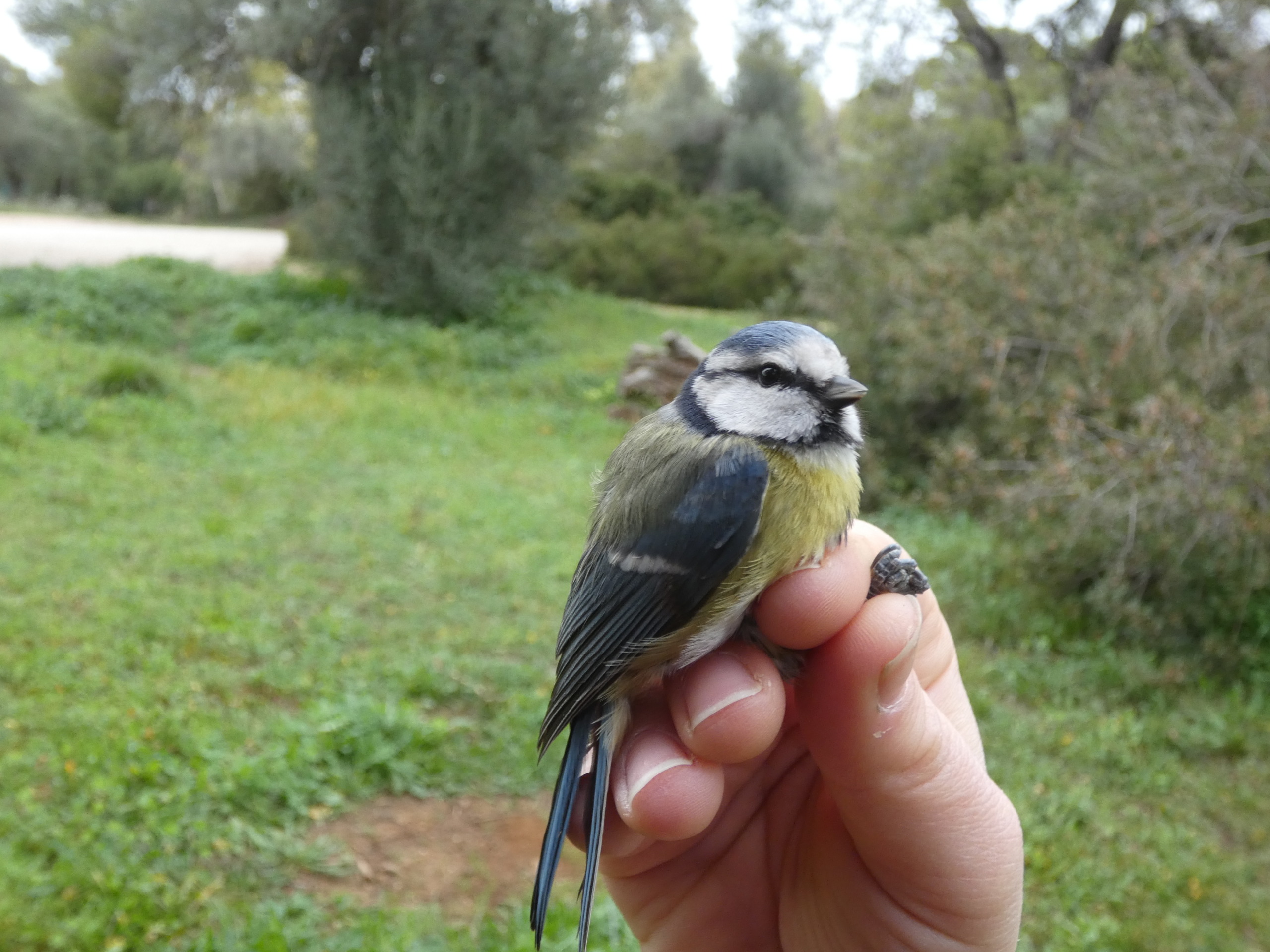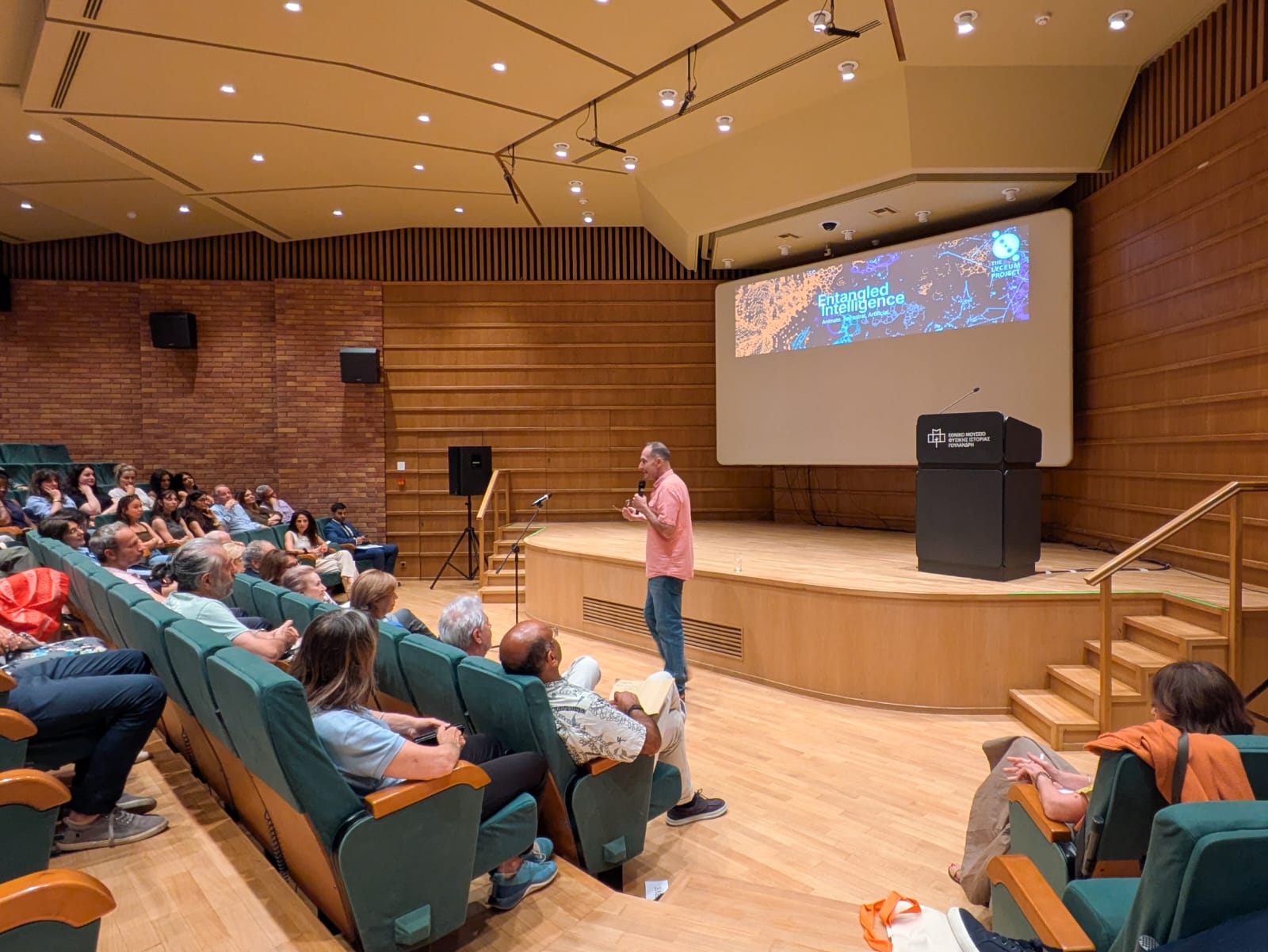


The implementation of the research program “Urban biodiversity through the study of birds using the ringing method” has begun at the National Museum of Natural History Goulandris , with the support of the A. G. Leventis Foundation. The program aims to systematically study the avifauna of Attica, particularly northeastern Attica, contributing to the understanding of urban biodiversity and the ecological characteristics of birds that live in or pass through urban environments.
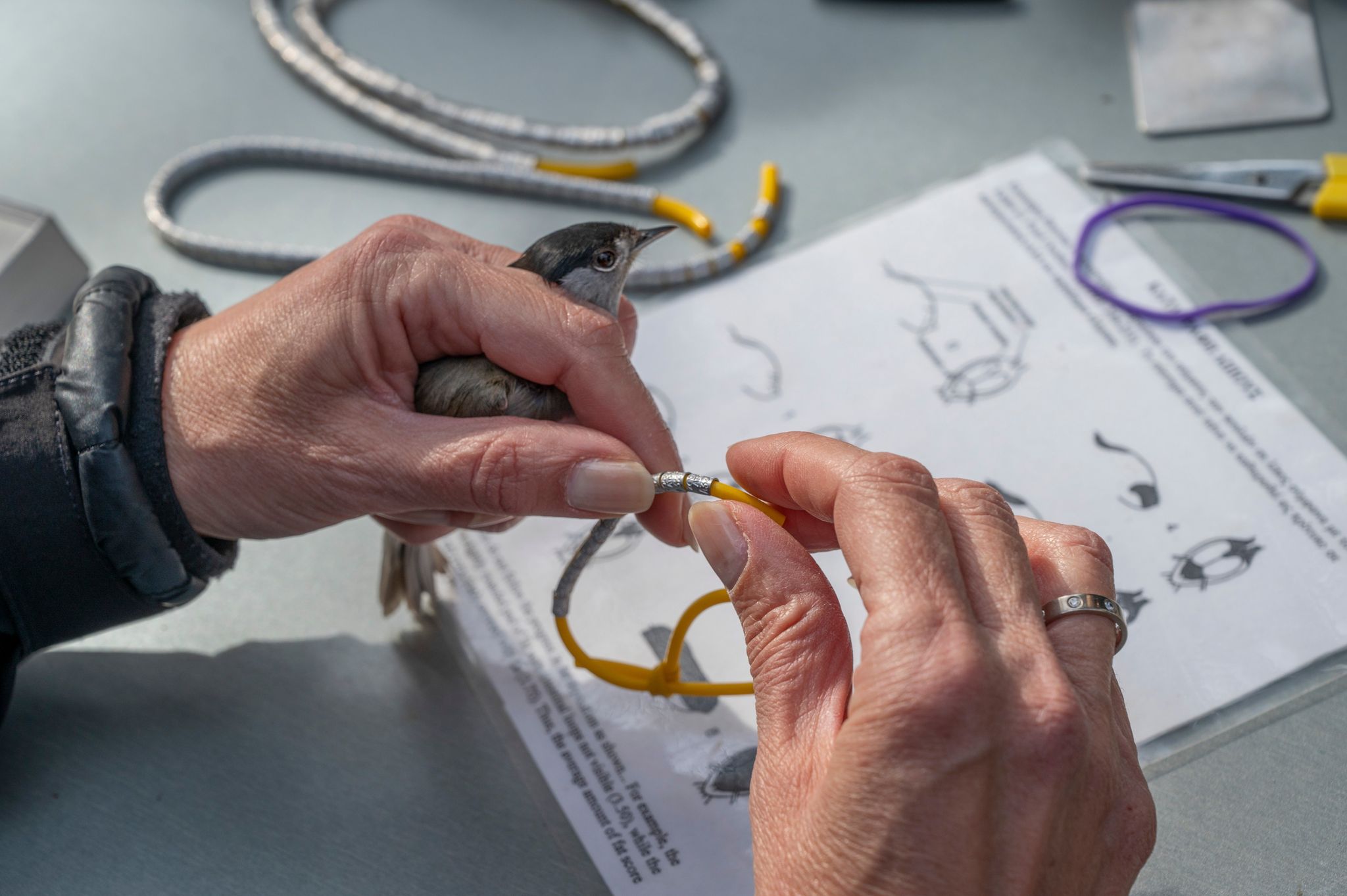
A key tool of the research is bird ringing, an internationally recognized scientific method that allows the identification and monitoring of individual birds through a unique coded metal ring. Through the collection and analysis of data, researchers will study migration routes—especially of passerine species—as well as breeding, stopover, and wintering areas. Important biological parameters will also be recorded, such as moulting, changes in body weight and fat reserves, mortality rates, and population trends.
The activities will be carried out throughout the year by certified ringers, with the participation of trainees, thereby strengthening both education and the dissemination of scientific knowledge. The implementation strictly follows international standards, ensuring the safety and welfare of birds. The results of the program are expected to make a substantial contribution to the protection and management of urban biodiversity, providing valuable data for the scientific community and environmental policy.
As noted by Dr. Maria Dimaki, Head of Collections at the Museum, bird ringing is a key scientific method for studying wild birds. By placing a small ring with a unique code on a bird’s leg, it is possible to identify that individual if it is ever found again, anywhere in the world, either alive or dead.
Birds are temporarily captured using specialized mist nets placed in suitable locations. The method is mainly used for small birds (passerines). Through ringing, researchers can study migration and movement patterns, breeding, stopover and wintering areas, moulting processes, changes in body weight and fat, lifespan, population dynamics, mortality, growth rates, and morphometric characteristics.
Bird handling is carried out in a way that does not affect their behavior or survival, following the standards of European ringing centers (www.euring.org). In Greece, the responsible authority for bird ringing is the Hellenic Bird Ringing Centre (HBRC). Greek rings bear the inscription “Zoological Museum Athens University” along with a unique identification number.
The National Museum of Natural History Goulandris is a non-profit institution dedicated to environmental research and education for the protection of nature. Since its foundation, it has been a reference point for studying Greece’s natural heritage and promoting environmental awareness, serving as a model center for research, education, innovation, biodiversity conservation, and climate change action.
Similarly, the A. G. Leventis Foundation, founded in 1979, has developed extensive charitable work focusing on environmental protection and biodiversity, as well as the promotion of Hellenic studies, historical and cultural research, scholarships, and international academic collaboration.
Photos: M. Dimaki, G. Petropoulos, G. Ioannidis